Why Do I Get Food Cravings When I Don’t Sleep Well?
Have you ever noticed that after a restless night, your cravings for sweets, salty snacks, or just “something comforting” skyrocket? You’re not alone. Poor sleep doesn’t just make you feel groggy; it can literally hijack your appetite and metabolism, pushing you towards unhealthy food choices.
In this detailed post, we’ll explore why sleep deprivation triggers food cravings, the unique challenges women face with sleep across different life stages, and how hormones and mental load impact your ability to rest—and eat well. Plus, I’ll introduce you to a handy resource, the Women In Balance sleep calculator, to help you gauge your ideal rest time based on your specific needs.
Sleep: The Foundation for Overall Health
You know what's funny? it’s tempting to view sleep as “just downtime,” but it’s a critical period during which your body and brain perform essential maintenance. Sleep supports:
- Memory consolidation and cognitive function
- Immune system strength
- Emotional regulation and stress management
- Metabolic processes and appetite regulation
When you don’t get enough quality sleep, these systems falter, setting off a cascade of disruptions—especially when it comes to appetite and metabolism.
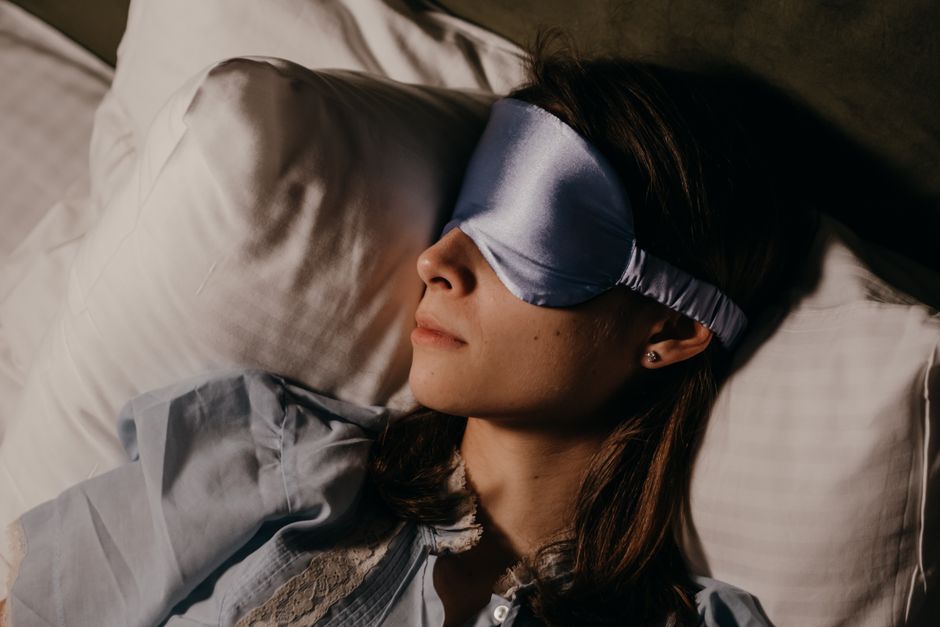
How Sleep Deprivation Affects Appetite Regulation
Your body’s hunger cues are managed by hormones, primarily ghrelin and leptin. Ghrelin tells your brain, “I’m hungry,” while leptin signals, “I’m full.” Research shows that sleep deprivation:
- Raises ghrelin levels, increasing hunger
- Lowers leptin levels, decreasing feelings of satiety
This hormonal imbalance means you’re biologically wired to eat more—especially calorie-dense foods—when you haven’t slept well. Your metabolism can slow down too, making it easier to store fat instead of burn energy.

Women-Specific Sleep Disruptors Across Life Stages
Women often face unique sleep challenges influenced by hormonal fluctuations throughout their lives:
Life Stage Common Sleep Disruptors Impact on Cravings & Metabolism Menstrual Cycle- Premenstrual syndrome (PMS)
- Physical discomfort or cramps
- Hormonal fluctuations (estrogen, progesterone)
- Frequent urination
- Back pain and discomfort
- Hormonal shifts
- Hot flashes/night sweats
- Insomnia
- Estrogen decline
If you’re struggling with sleep and cravings, consider where you fall in these life stages—your hormonal milieu could be playing a major role.
The Role of Hormones in Sleep Quality and Food Cravings
Two key hormones deserve extra attention here:
- Cortisol: Known as the stress hormone, cortisol naturally rises in the morning to help you wake up but should drop toward bedtime to allow restful sleep. Chronic stress or mental load can keep cortisol elevated at night, causing insomnia and fueling cravings for sugary foods that boost “feel-good” chemicals.
- Insulin: Poor sleep can impair insulin sensitivity, which affects blood sugar control. When insulin doesn’t work well, your body struggles to regulate energy from food, often prompting carb cravings and extra fat storage.
This hormone interplay makes sleep deprivation a driver of unhealthy eating patterns and disrupted metabolism.
Mental Load and Bedtime Anxiety: The Hidden Culprits
Especially for women juggling work, family, and caregiving, the “mental load” can be overwhelming. Racing thoughts at bedtime often lead to difficulty falling asleep, fragmented rest, and heightened stress.
That bedtime anxiety does more than rob you of sleep—it kicks your body into a survival mode, releasing stress hormones and making you crave comfort foods loaded with sugar and fat. These foods provide short-term relief by stimulating brain chemicals like dopamine but can lead to cycles of poor sleep and weight gain if they become habitual.
Practical Tip: Try a 10-Minute Wind-Down Routine
It sounds simple, but dedicating just 10 minutes before bed to wind down can help calm your mind and prepare your body for sleep. I remember a project where wished they had known this beforehand.. This could include:
- Deep breathing exercises
- Journaling your worries and dumping them onto paper (keep a notebook by your bed!)
- Gentle stretching or meditation
- Listening to calming music or nature sounds
By easing mental load at night, you give your hormones a chance to settle, improving both sleep quality and appetite regulation.
Using the Women In Balance Sleep Calculator to Optimize Your Rest
Every woman’s sleep needs can differ based on age, hormonal changes, lifestyle, and stress levels. The Women In Balance sleep calculator is a user-friendly tool designed to help you find your sweet spot for sleep duration.
Simply input your age, typical wake time, and select any life phase that applies (menstrual cycle phase, pregnancy, menopause), and the calculator suggests an optimal bedtime and sleep duration customized for your unique rhythm.
Using this calculator periodically can help you tweak your sleep schedule during different phases of life, reducing the risk of sleep deprivation and its impact on appetite and metabolism.
Summary: Why Sleep Deprivation Spurs Food Cravings and How to Fight Back
- Sleep deprivation disrupts hormonal balance, raising hunger signals and lowering satiety cues.
- Women face unique, hormone-driven sleep challenges that vary widely across menstrual cycles, pregnancy, and menopause.
- Stress and mental load worsen sleep quality and trigger craving-inducing stress hormones.
- Short, focused wind-down routines and personalized sleep timing (like with the Women In Balance sleep calculator) can help restore better sleep and appetite control.
Next time you find yourself reaching for that midnight snack, consider your last night’s sleep—not just your taste buds. Prioritizing rest isn’t an indulgence; it’s a foundational act of self-care that supports your metabolism, mood, and and overall health.
Need a starting point? Try the Women In Balance sleep https://womeninbalance.org/2026/08/11/better-sleep-for-women-building-healthy-nighttime-habits-that-last/ calculator tonight to identify your ideal bedtime and take the first step toward beating cravings through better sleep.