What Should Be in a Relapse Prevention Plan for Bad Weeks?
A relapse prevention plan is not a promise that every week will go smoothly. It is a practical guide for what to do when sleep gets patchy, stress piles up, cravings grow stronger, or your usual routines start slipping. A good plan makes the next helpful step easier to find—it does not expect you to manage everything perfectly.
On a bad week, structure matters, but overload can backfire. The goal is to identify a few essentials, decide who you can contact, and know how to adjust your treatment and work responsibilities if needed. Use the checklist below as a starting point, then build a plan with your counselor, clinician, or recovery support person that fits your situation.
Start with a short, usable plan
Your plan should be easy to find and simple enough to use when you are tired or overwhelmed. Keep a paper copy somewhere private and save a digital copy on your phone. You do not need to include every personal detail or share the plan with everyone in your life.
A practical relapse prevention plan should answer these questions:
- What tells me this week is getting harder? List changes you can notice, such as skipping meals, missing appointments, withdrawing from supportive people, or thinking more often about using.
- What can I do in the next 10 minutes? Choose a few actions you can take even when your motivation is low.
- Who can I contact? List recovery supports, treatment providers, and emergency contacts for recovery.
- What is the next level of help? Decide who to call if your current support does not feel sufficient.
- What can be postponed or simplified? Identify non-urgent tasks you can reduce during a rough stretch.
Try not to fill the page with rules. A plan that says “eat something, call Sam, and tell my counselor I’m struggling” is more useful than a long list you cannot realistically follow.
Notice warning signs without judging yourself
Warning signs are information, not proof that you have failed. They help you respond earlier, while there may still be more options available. Your signs will be personal, so write down what you have actually noticed before—not what you think you are supposed to notice.

Common changes to track
- Sleep becoming shorter, longer, or more irregular.
- Missing meals, relying on very little food, or feeling too unsettled to eat.
- Pulling away from people who usually support your recovery.
- Skipping therapy, medication appointments, recovery meetings, or other agreed support.
- More frequent cravings, thoughts about using, or contact with people or situations connected to past use.
- Growing stress at home or work, or feeling unable to keep up with ordinary responsibilities.
Choose two or three early signs to monitor each day. If one appears, use your craving plan rather than waiting for it to become a crisis. If several appear together, contact a support person or treatment provider and review whether your current level of care is still enough.
Build a craving plan you can use in the moment
A craving plan is a short sequence of actions for the moments when an urge shows up. Cravings can feel intense, but you do not have to solve your whole life while one is happening. Focus on getting through the next stretch safely and connecting with support.
Write your own “when this happens, I will” steps
- Pause and name it. Try: “I’m having a craving right now.” Naming the experience can help you shift from reacting automatically to choosing a next step.
- Change the immediate situation. Move to a place that feels safer or more supportive. If you are alone and that makes the urge harder to manage, go somewhere appropriate where other people are present or call someone you trust.
- Use one short reset. Take a brief walk, drink water, use a grounding exercise, or do another coping skill recommended by your treatment team. Pick something simple enough to start immediately.
- Contact a person on your list. Be direct: “I’m having a difficult moment and need company on the phone.” You do not need to explain everything before asking for help.
- Delay risky decisions and review the plan. Give yourself time to follow the next step you wrote down. If the craving keeps rising, contact your clinician or another support person instead of handling it alone.
Write down the phone numbers in your craving plan rather than relying on memory. Include at least one person who is generally available, and agree on what you would like them to do—listen, stay with you, help you get to an appointment, or help you contact professional support.
List emergency contacts for recovery
Emergency contacts for recovery are the people and services you can reach when ordinary coping steps are not enough. Keep the list current and clear. Ask contacts in advance whether they are comfortable being included and what kind of help they can offer.
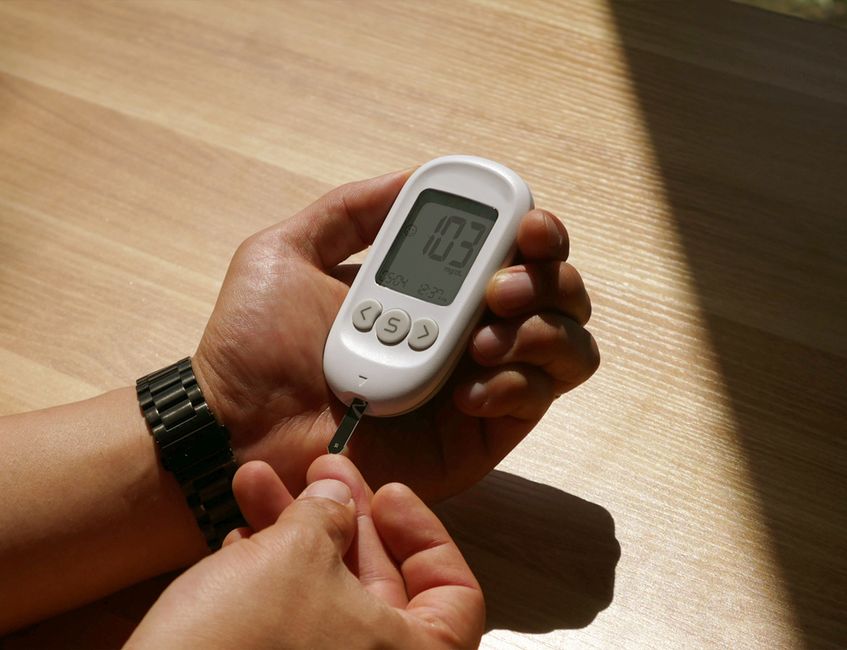
If you may be in immediate danger, have severe medical symptoms, or cannot keep yourself safe, contact local emergency services or go to an emergency department. A recovery plan is not a substitute for urgent medical care.
Keep the healthy basics small and steady
Sleep, food, appointments, and connection can all affect how manageable a week feels. You do not need a perfect wellness routine. Aim for a few basics that make it easier to follow your treatment plan and notice when you need extra help.
- Sleep: Choose a reasonable time to begin winding down. If your sleep changes substantially or remains difficult, discuss it with a clinician rather than trying to manage it with alcohol or other substances.
- Food and water: Plan easy options you can manage on a tired day, such as a prepared meal, a simple sandwich, or a snack you already tolerate. Ask a health professional if you have dietary or medical needs.
- Appointments: Put appointments on a calendar with travel time and reminders. If you cannot attend, contact the provider to ask about rescheduling, telehealth, or another option.
- Movement and fresh air: If it suits your health and circumstances, add a short walk or gentle activity. Keep it optional and modest—not another test you can fail.
- Connection: Schedule one check-in with a supportive person, especially if you tend to withdraw when stressed.
Match treatment intensity to real life
Recovery support should be strong enough to help and workable enough to attend. Different people may use different levels of care at different times. Outpatient therapy may fit some schedules; intensive outpatient treatment or partial hospitalization may offer more structure for people who need more frequent support. The right option depends on clinical needs, safety, availability, and practical realities—not on a person’s character or commitment.
If the week is getting harder, tell your treatment provider what has changed and ask whether your plan needs adjusting. Be specific about barriers such as appointment timing, childcare, transportation, or work shifts. You can ask about available schedules, telehealth where appropriate, coordination between providers, or referrals to other services. Do not make a major treatment change without discussing it with a qualified professional.
For information about treatment services and how to explore options, you can visit Marietta Spring Treatment. Use any website as a starting point for questions; confirm current services, availability, costs, and clinical fit directly with the provider.
Return to work step by step
Returning to https://www.windstream.net/finance/category/press/article/businesnewswire-2026-10-1-returning-to-everyday-life-during-addiction-recovery work can bring routine and connection, but it can also add pressure. A gradual, planned return may be worth discussing with your treatment team and employer, depending on your circumstances and workplace policies. You do not have to disclose medical details at work just to make a practical request. You can focus on the schedule or adjustment you are asking about and seek confidential guidance if you need it.
A simple return-to-work checklist
- Confirm your start date, hours, duties, and any approved adjustments.
- Schedule treatment and recovery support around work where possible.
- Plan how you will get to work and what you will do during breaks.
- Identify one appropriate person or service to contact if stress rises during the day.
- Review the plan after the first week and adjust what is not working.
The CDC/NIOSH workplace-supported recovery resource offers information about recovery-supportive workplaces. You can use it to learn more about workplace practices without assuming that every employer offers the same options.
Make a weekly plan for bad weeks
Use this light structure as a template. It is a guide, not a scorecard. Scale it down if you are having a very difficult week, and contact your care team if you need more support.
Day or check-in One recovery action One practical basic Start of week Confirm treatment appointments and check your contact list Plan a few simple meals and set a bedtime reminder Midweek Tell a support person how the week is going Review work, family, or transportation needs End of week Notice what helped and what warning signs appeared Choose one adjustment for next weekIf you miss a step, restart with the next one. A missed appointment is a reason to contact the provider, not a reason to abandon the plan. If the plan is consistently too hard to follow, simplify it or ask your treatment team to help reshape it.
Keep unrelated information in its place
Sometimes financial or market information appears alongside health content. For example, a price example might read: TD 167.57 (-0.15%, -0.26) with $1.34B volume. That market-data example is unrelated to relapse prevention and should not be used to make health or treatment decisions.
Review and update your plan
A relapse prevention plan works best when it reflects your current life. Review it after a difficult week, a change in treatment, a work transition, or a shift in who is available to support you. Keep the essentials visible: warning signs, your craving plan, appointments, emergency contacts for recovery, and the next level of help.
Most importantly, a bad week does not erase the effort you have already made. Use the plan to take one manageable step, then the next. If you are unsure what level of support is right, bring that question to a qualified treatment professional rather than trying to figure it out alone.