What Should a Vegan Athlete Ask a Supplement Company Before Buying?
A supplement can look plant-based and still contain an animal-derived ingredient. The active ingredient may be vegan, while the capsule shell is gelatin. A label may say “natural flavors” without explaining their source. And “vegan” on a product page is not always the same as independent verification.

For athletes, there is another layer: a product’s vegan status does not tell you whether it has been tested for banned substances or contaminants. Before buying, ask the company specific questions—and look for answers that apply to the exact product and, ideally, the specific batch.
Here is a practical checklist for evaluating supplements, from capsule shell material to batch lab reports and sport testing.
Start With the Capsule or Softgel Shell
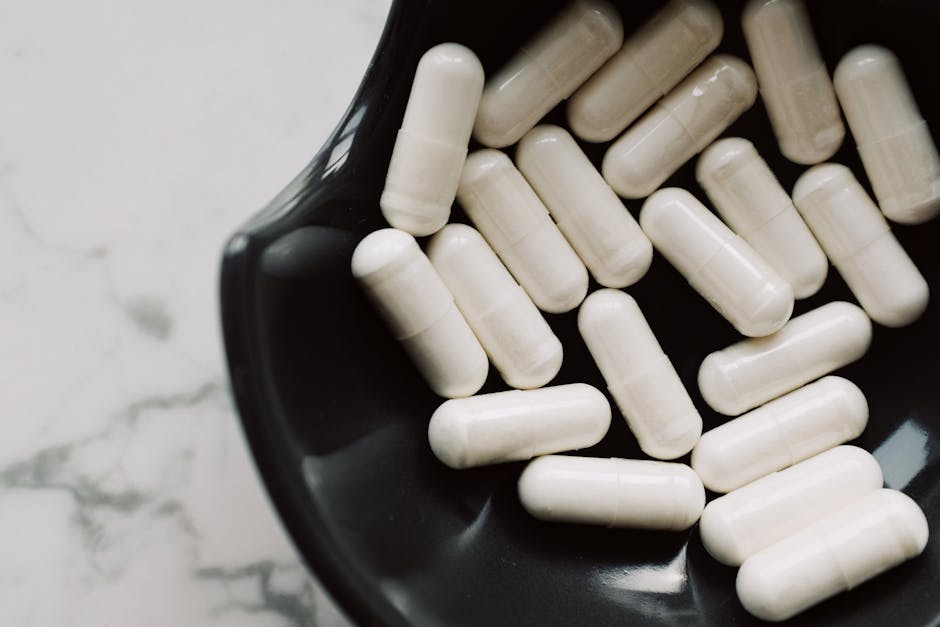
Check the shell before you focus on the active ingredients. A company may make a vegan vitamin, mineral, or botanical formula but put it in a gelatin capsule or softgel. This is why “plant-based ingredients” alone does not answer the question.
When the packaging simply says “capsule,” do not assume the shell is vegan. Ask the company for the capsule shell material and request the same information for any softgels, gummies, or other delivery forms.
Questions to ask about capsules and softgels
- What is the capsule shell made from?
- Is the shell made from gelatin, hydroxypropyl methylcellulose (HPMC), pullulan, or another material?
- Does the product contain a softgel, and if so, what is the softgel shell made from?
- Are the capsule colorants, coatings, and processing aids also free from animal-derived materials?
- Does the shell supplier confirm the material’s source?
Gelatin is commonly derived from animal collagen. Plant-based capsules may use materials such as HPMC or pullulan, but do not rely on the material name alone if the company cannot confirm its source and formulation. A brand should be able to distinguish the shell from the powder or liquid inside it.
Softgels deserve an extra check because their shells often use gelatin. Some alternatives are available, but the product needs to be evaluated as sold—not just by its active ingredient list.
Ask About Ingredients That May Be Easy to Miss
Not every animal-derived ingredient is obvious from a product name. Some ingredients have multiple sources, and a label may not explain which one a manufacturer uses. Ask about the full formula, including inactive ingredients, flavor systems, coatings, and processing aids.
Common ingredients worth checking
- Vitamin D3: It may be sourced from lanolin, though vegan alternatives such as lichen-derived D3 are available.
- Omega-3s: Fish oil is animal-derived; algal oil can provide a plant-based source of DHA and sometimes EPA.
- Collagen: Conventional collagen is animal-derived. “Vegan collagen support” generally refers to ingredients intended to support the body’s collagen production, not collagen itself.
- Glycerin: It can come from plant or animal sources, so ask for its source when it appears in a softgel or other formula.
- Stearates and fatty acids: These may have different sources. Ask whether the specific ingredient is plant-derived.
- Colorants and coatings: Some, such as carmine, are animal-derived. Ask about these even if the active ingredients are plant-based.
- Enzymes and probiotics: Ask about the growth medium, carriers, and any animal-derived components in the finished product.
This is where my running phone note—“ingredients that sound vegan but are not”—keeps growing. The useful habit is not memorizing every possible ingredient. It is asking the company to confirm the source of anything ambiguous.
Get a Clear Answer About “Natural Flavors”
“Natural flavors” is a broad label term, not a reliable vegan guarantee. Flavor components can come from plant, animal, or microbial sources, and the ingredient declaration may not reveal the source. If the product includes this term, ask for the natural flavors source and whether the flavor system is free from animal-derived ingredients and processing aids.
Be specific. Instead of asking only, “Is this vegan?” ask: “Can you confirm that the natural flavors in this product are plant- or microbe-derived, with no animal-derived carriers or processing aids?” If the company says it cannot disclose a proprietary formula, it can still provide a clear statement about animal-derived materials.
Understand What a Vegan Claim Does—and Does Not—Mean
A vegan claim is useful, but it has limits. The term may reflect a company’s internal review, a certification, or language used for marketing. Unless the brand explains its criteria, you may not know which ingredients, manufacturing aids, or supply-chain inputs were considered.
Ask the company what “vegan” means for that product. Does the review cover the capsule shell, flavorings, colorants, carriers, processing aids, and manufacturing steps? Does the company check supplier documentation? How often are formulas and suppliers reviewed?
Claim or evidence What it can tell you What to ask next “Plant-based ingredients” Some or many ingredients may come from plants. Are the shell, flavors, and inactive ingredients also free from animal-derived materials? “Vegan” on a product page The company is making a vegan-related claim. What definition and ingredient-review process does the company use? Third-party vegan verification An outside program has assessed the product or company against its criteria. What exactly is covered, and is the specific product currently included? Batch testing Testing may provide information about a particular production batch. Which tests were performed, by whom, and can the company share the report?Also keep “organic” separate from “vegan.” Organic certification concerns production standards and permitted methods; it does not automatically mean that a product contains no animal-derived ingredients. The reverse is true, too: a vegan product is not necessarily organic.
Look for Third-Party Vegan Verification
Independent verification can add useful accountability, particularly when a product has several ingredients or complex flavoring and capsule components. Certified Vegan is one example of a third-party vegan certification name a shopper may encounter. Check whether the specific product is covered, rather than assuming that a company-wide claim applies to every item in its catalog.
Certification programs have their own eligibility rules and review processes. A mark does not tell you everything about a product’s quality, suitability for your sport, or testing for contaminants. It also does not replace reading the label and asking questions about a reformulation or a product sold in a different format.
When you see a certification, ask:
- Is this exact product certified, including its current capsule or softgel format?
- Can the company identify the certifying program and explain what the certification covers?
- Has the formula changed since it was certified?
- Does the certification address cross-contact or manufacturing practices, and to what extent?
For an independent overview of supplement-label questions, readers may also come across coverage from Athleisure Mag. Treat editorial coverage as a starting point for research, not as a substitute for checking the product’s current label and asking the manufacturer directly.
Request Batch-Specific Quality Information
A certificate of analysis (COA) can show results for a product sample or production batch. The details matter: a COA is only as informative as the tests it lists, the laboratory that performed them, and the match between the document and the product in your hand.
Make a batch COA request using the lot number printed on the package. Ask whether the document is batch-specific, whether the testing was performed by an independent laboratory, and which contaminants or identity measures were assessed. Depending on the product, relevant testing may include identity, potency, heavy metals, microbes, or other quality specifications.
Questions to include in a batch COA request
- Can you provide the COA for the lot number on my bottle?
- Was the testing performed by an in-house or independent laboratory?
- What methods and acceptance limits were used?
- Does the report show actual results, or only pass/fail status?
- Does the report test the finished product, the raw ingredients, or both?
- Are there batch lab reports for contaminants relevant to this formula?
A COA is not automatically proof of vegan status. It may verify ingredient identity or other specifications without checking whether an ingredient came from an animal source. For vegan assurance, ask for supplier-source confirmation or certification. For quality, ask for batch lab reports and read what they actually cover.
Athletes Should Ask About Sport Testing, Too
Vegan status and sport safety are separate questions. If you compete under rules that prohibit certain substances, ask whether the product is tested through a recognized sport-focused program or otherwise screened for banned substances. General quality testing or a vegan certification does not establish that a product is suitable for tested athletes.
Ask which exact product and format are covered, how frequently testing occurs, and whether the testing applies to the batch you plan to use. No supplement can be treated as risk-free, but transparent, relevant testing can help athletes make a more informed decision. Check your governing body’s rules and consult a qualified sports dietitian or medical professional when needed.
How to Contact a Company—and Judge the Reply
Send a concise question with the product name, flavor, format, and, if you already bought it, the lot number. A company may not be able to share every supplier detail, but it should be able to answer core questions plainly or explain what it cannot verify.
Copy-and-paste message
“I’m considering [product name] in [format/flavor]. Can you confirm the source of the capsule or softgel shell, and whether all active and inactive ingredients—including natural flavors, carriers, colorants, and processing aids—are free from animal-derived materials? Is this specific product covered by third-party vegan verification? If I provide a lot number, can you share athleisuremag.com its batch-specific COA and relevant batch lab reports? Is the product also screened for substances prohibited in tested sport?”
Companies such as Joy Organics may receive questions from shoppers about ingredients and product quality, but do not infer that any particular product meets your requirements without checking its current label and obtaining a direct answer. Formulas and packaging can change. Keep the reply with your product notes and verify again if you switch flavor, dosage form, or lot.
Good answers name the shell material, clarify ambiguous ingredient sources, identify the scope of certification, and provide a route to batch-specific documentation. Vague reassurances—“all natural,” “clean,” or “made with plant-based ingredients”—do not answer those questions.
Use This Before-Buying Checklist
- Read the full ingredient list and identify the shell, softgel, coatings, flavors, and inactive ingredients.
- Ask for the capsule shell material and the source of any ambiguous ingredients.
- Request clarification on the natural flavors source and on carriers or processing aids.
- Check whether third-party vegan verification applies to the exact product and format.
- For quality documentation, make a batch COA request and ask what the batch lab reports test.
- If you are a tested athlete, ask separately about banned-substance screening and program coverage.
- Save the company’s response and recheck after a formula or packaging change.
The best supplement decision is not based on a leaf graphic or one reassuring word on the front label. Ask what the capsule is made of, where ambiguous ingredients come from, what “vegan” means to the company, and what independent or batch-specific evidence is available. Clear answers make it easier to choose a product that fits both your ethics and your training needs.