What’s the Best CBD Type to Avoid THC if I’m Paranoid About Testing?
If you’re considering CBD for anxiety relief, better sleep, or improved recovery but worried about drug tests, you’re not alone. The market is flooded with products boasting “no THC,” “broad spectrum,” or “CBD isolate,” but the reality behind these labels can be confusing—and sometimes risky. This post breaks down the essentials to help you pick a CBD type that minimizes THC exposure without compromising effectiveness.
CBD Basics: What You Need to Know
CBD, or cannabidiol, is a non-intoxicating compound derived mostly from hemp plants. Unlike THC (tetrahydrocannabinol), the compound responsible for cannabis’s “high,” CBD doesn’t cause psychoactive effects. Because of this, CBD’s popularity has surged among people seeking relief from anxiety, inflammation, and sleep troubles without the mind-altering side effects.
Types of CBD Extracts
- CBD Isolate: Pure CBD with all other cannabinoids, including THC, removed. Typically available as a crystalline powder or in oil form, isolates should theoretically contain 0% THC.
- Broad Spectrum CBD: Contains multiple cannabinoids and terpenes but is processed to remove THC to undetectable levels. Offers the “entourage effect” of multiple cannabis compounds without THC.
- Full Spectrum CBD: Contains CBD along with trace amounts (<0.3%) of THC and other cannabinoids. Some users prefer full spectrum for enhanced effects, but it carries a risk for positive THC tests.
If you’re paranoid about drug screening, CBD isolate and broad spectrum products are your safest bets because they aim to eliminate THC or keep it below detectable levels. That said, no labeling system is perfect, which is why quality assurance matters hugely here.
Hemp Legality and The 0.3% THC Threshold
Under the 2018 U.S. Farm Bill, hemp is federally legal if it contains less than 0.3% THC by dry weight. This figure is a regulatory cutoff that allows hemp-derived CBD products to be sold legally across the country. However, “less than 0.3% THC” still means that some THC can be present—so it’s not a guarantee there’s zero THC in your product.
Because hemp and hemp extracts naturally contain cannabinoids in varying quantities, it’s entirely possible for “full spectrum” products to have trace amounts that could accumulate in your system with repeated use and potentially trigger a positive drug test.
Why Does THC Matter in Drug Testing?
Most standard drug tests screen for THC metabolites, which stay in the body longer than the active THC itself. Even tiny amounts of THC can build up in your fat tissues, leading to detectable levels in urine tests if you consume products containing THC regularly.
For athletes and professionals concerned about anti-doping rules, the World Anti-Doping Agency (WADA) banned all cannabinoids except CBD in competition. This reinforces the importance of choosing a product with non detectable THC if you’re undergoing testing.
Evidence Strength: Anxiety vs Sleep vs Performance
CBD research is https://www.tribality.com/articles/does-cbd-do-anything-for-gamers/ still in early stages, but here’s an appraisal based on current scientific data and how it relates to real-world products:
Use Case Evidence Strength Typical Effective Dose (mg) Note Anxiety Moderate 300–600 mg (single or divided doses) Most clinical studies use purified CBD at high doses far above typical gummy serving sizes Sleep Preliminary / Mixed 25–160 mg Results vary widely; some users find benefit while others do not Performance / Pain Low to Moderate 20–50 mg Evidence leans more on anecdotal and animal studies; human trials limitedMany popular commercial products, including gummies, deliver dosages in the 10–25 mg range per serving, which is often insufficient compared to doses used in clinical research. This dosing mismatch can make it difficult to evaluate whether your product will be effective—something that savvy shoppers should consider.
Choosing the Right CBD to Minimize THC Risk
Here’s what to consider if your top priority is avoiding THC and passing drug tests:
- Go for CBD Isolate or Broad Spectrum: Both options are designed to contain little to no THC. CBD isolate is purified CBD alone, while broad spectrum retains other cannabinoids but removes THC. Joy Organics is a brand known for offering broad spectrum formulations that come with third-party lab results to assure no detectable THC.
- Check for a Non Detectable THC Certificate of Analysis (COA): A reliable COA from an independent lab shows precise cannabinoid concentrations, including THC levels below detection limits. This is non-negotiable if you want to avoid surprises in testing.
- Beware of Labeling Traps: Terms like “THC-free” aren’t always verified by lab testing. Some products only test for total THC, not individual isomers or metabolites, which can be misleading.
- Understand Batch-to-Batch Variability: Natural hemp extracts can vary, so trust brands committed to consistent testing and small batch transparency. Joy Organics publishes updated COAs regularly for this reason.
- Avoid Full Spectrum Formulations: Even traces of THC below 0.3% can trigger tests, especially with frequent use. If testing is a serious concern, leave full spectrum products on the shelf.
Spotlight on Joy Organics
Joy Organics is a leader in broad spectrum CBD products that are rigorously third-party tested for “non detectable THC.” Their transparency and commitment to clean, broad spectrum extracts make them a top recommendation for anyone navigating drug test anxiety without giving up potential benefits.
Additional Considerations: FDA and Product Regulation
While the FDA has approved a purified CBD medication (Epidiolex) for epilepsy, it has not authorized other CBD products as dietary supplements or food additives. This means that many commercial CBD products operate in a regulatory gray area, with variable quality and inconsistent marketing claims.
Always check for batch certificates, independent lab reports, and customer reviews to ensure you’re not falling for “performance claims with no data” or hand-wavy “science says” marketing jargon.

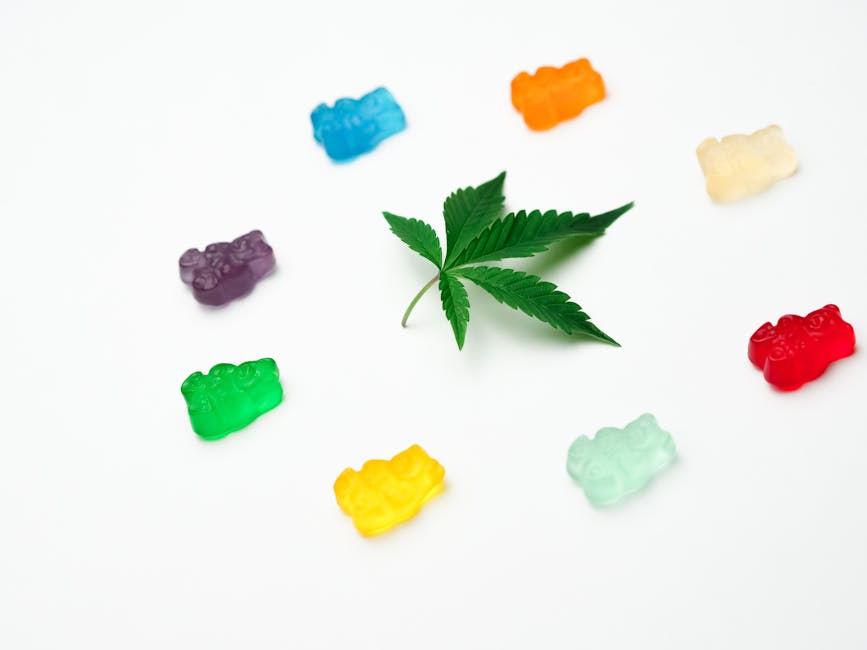
Summary: Which CBD Type Should You Choose?
CBD Type THC Content Risk of Positive Drug Test Typical Use Case Recommendation for Testing Concern CBD Isolate 0% Minimal Basic CBD use with zero THC exposure Best choice if paranoid about testing Broad Spectrum Non detectable / trace Very low with reputable brand and COA Potential entourage benefits without THC Good choice if product has verified COA Full Spectrum <0.3% Moderate to high depending on frequency Maximum cannabinoid effect, THC included Avoid if drug testing is a concernFinal Tips Before You Buy
- Always demand a current and batch-specific Certificate of Analysis from a third-party lab detailing THC levels reported as “non detectable.”
- Consider the dosing: gummies with 10–25 mg CBD may not show the effects seen in clinical trials using much higher doses.
- Understand your testing requirements: some employers or sports organizations have zero tolerance for any THC.
- Research the brand’s reputation and look for transparency in sourcing and testing. Joy Organics is a trusted example due to their rigorous third-party testing and dedication to broad spectrum products.
Choosing the right CBD type to avoid THC can help keep your mind at ease and safeguard your career or competition standing. Go isolate or broad spectrum, verify your COA, and manage your dosing smartly—with that, you can enjoy CBD’s benefits without the stress of unexpected drug tests.