What questions should I ask before using a pharmacy clinic service?
Community pharmacies do much more than dispense prescriptions. Depending on the pharmacy, its staff and the services commissioned locally, you may be able to get advice about a minor illness, have a vaccination, or be assessed through an NHS service such as Pharmacy First in England. These services can make care more convenient, but what is offered—and who is eligible—varies.
A few questions before you book or attend can help you understand what will happen, whether the service is suitable for you and what to do if you need further care. This pharmacy clinical service checklist covers eligibility, the consultation, privacy, referrals, safety and costs. It also explains how to check that a pharmacy professional is appropriately registered.
First, check what the pharmacy actually offers
“Pharmacy clinic” is a broad term, not a guarantee that every pharmacy provides the same appointments. A pharmacy might offer NHS clinical services, private consultations, vaccinations, or a mixture of these. Services can also differ between branches of the same company.
Before travelling, check the pharmacy’s website or contact the branch directly. Ask:
- Which service do you offer, and is it available at this branch?
- Do I need to book, or can I walk in?
- Who will carry out the consultation?
- Is the service for adults, children, or both?
- Do I need to bring anything, such as a medicines list or vaccination record?
If you are looking for an NHS service, check that it is currently available at that location. NHS services are commissioned differently across the UK. NHS Pharmacy First refers to the service in England; arrangements in Scotland, Wales and Northern Ireland may differ. NHS England information can help explain services in England, while your national NHS website or local health board can point you to arrangements elsewhere.
Could NHS Pharmacy First help with your symptoms?
In England, NHS Pharmacy First allows participating community pharmacies to provide clinical assessment and, where appropriate, treatment for certain common conditions. It is intended to offer a convenient route to care for eligible people without needing to book a GP appointment first. A pharmacist can advise you, supply treatment when clinically suitable, or direct you to another service.
The service covers seven condition pathways: sinusitis, sore throat, earache, infected insect bites, impetigo, shingles and uncomplicated urinary tract infections in eligible women. Eligibility depends on factors such as age, symptoms, medical history and how long the problem has been present. A pharmacist will assess whether your situation fits the pathway; not everyone with a symptom will be eligible for treatment through it.
Useful questions include:
- Does my age and symptom history meet the criteria for this service?
- Will you assess me in person, or can any part happen remotely?
- What happens if I am not eligible for the pathway?
- Can you recommend self-care, supply treatment or refer me elsewhere?
- What symptoms would mean I should seek urgent help instead?
Pharmacy First is not a substitute for emergency care or a route to antibiotics on request. The pharmacist makes a clinical assessment and may decide that a prescription medicine is not appropriate. They may also suggest that you contact your GP, NHS 111 or another service, depending on your symptoms. In an emergency, call 999 or go to A&E.
Ask about the pharmacy referral process
A pharmacy consultation may end with advice, treatment or a referral. Understanding https://healthylifeessex.co.uk/2026/10/the-changing-role-of-community-pharmacies/ the pharmacy referral process can make the next step less uncertain. A referral might be made back to your GP, to NHS 111, to urgent care or to another appropriate service. In some cases, the pharmacist may recommend that you arrange follow-up yourself; in others, they may pass information on with your consent.
Ask the pharmacist:
- What have you recommended, and why?
- Do I need to contact another service, or will you refer me?
- How soon should I seek further care?
- What should I do if I cannot get an appointment or my symptoms worsen?
- Will you share details of this consultation with my GP, and what information will be sent?
Do not assume that a referral has been completed just because it was discussed. Check who is responsible for the next step, how you will hear back and what to do if you do not receive a response. If the pharmacist advises urgent assessment, follow that advice rather than waiting for symptoms to resolve on their own.
Check who is providing the service
For a consultation or treatment, it is reasonable to ask about the person’s role and qualifications. Pharmacists and pharmacy technicians have different responsibilities, and the appropriate professional will depend on the service. You can ask who will assess you and whether a pharmacist will be involved.
To gphc registration verify a pharmacist or pharmacy technician in Great Britain, use the General Pharmaceutical Council’s online register. Check that the person is listed and that their registration details appear current. The GPhC also regulates registered pharmacies. This check is a useful way to confirm registration; it does not by itself tell you whether a particular treatment is suitable for you.
If you are unsure who you are speaking to, ask them to explain their role. You should be able to understand who is making the clinical decision and whom to contact with a concern about the service.
Ask about privacy, records and accessibility
Pharmacy consultations should give you a suitable opportunity to discuss personal health information. Some pharmacies have a consultation room; others may offer a different arrangement. If privacy matters to you, ask what is available before you attend. You can also ask whether a friend, relative, interpreter or carer may join you.
It is worth checking:
- Will the consultation take place in a private room or a quieter area?
- What information will be recorded, and who can access it?
- Will relevant details be shared with my GP or another healthcare professional?
- Can you provide an interpreter, accessible information or other adjustments?
- Can I pause the consultation or ask for something to be explained again?
Tell the pharmacist about relevant allergies, long-term conditions, pregnancy or breastfeeding, and medicines or supplements you take. If you do not know the name of a medicine, a list or a photograph of its packaging may help. You can ask why this information is needed and how it will be used.
Vaccinations and travel health: ask what is included
Some pharmacies provide vaccination services, including flu vaccinations and travel vaccinations. Availability, eligibility and whether a vaccination is NHS-funded or private depend on the service and the pharmacy. Ask which vaccines are available, whether an appointment is needed and whether there is a charge before you book.
For travel, vaccination is only one part of preparation. Some pharmacies offer travel health consultations with risk assessment. The clinician may ask where you are going, when you will travel, how long you will be away, what activities you plan and about your health and vaccination history. This helps them discuss relevant risks and options, but it does not guarantee that every vaccine or medicine can be provided at that pharmacy.
Before a travel appointment, ask:
- How far in advance should I book?
- Can you assess the itinerary and recommend suitable precautions?
- Which vaccines are available here, and are any provided through the NHS?
- Are there separate consultation, vaccine or administration charges?
- Will I need another provider for vaccines you do not offer?
Travel recommendations depend on the destination and your circumstances. Leave time to arrange any further advice or vaccinations you may need. For complex medical needs, or if you are unsure whether the pharmacy service covers your situation, ask whether you should also speak to your GP or a specialist travel clinic.

Make the cost clear before you go ahead
No prices were stated in the scraped content. That means the information available here cannot confirm what a particular pharmacy charges. Do not infer that a service is free—or paid—from a general description online. Charges can vary by provider, service, vaccine and eligibility, and an NHS-funded service may have different terms from a private appointment.
Ask for the full cost before booking or receiving a service. You may want to confirm whether the price includes the consultation, the product and its administration, and whether there could be follow-up charges. If a service is described as NHS-funded, ask whether you meet the eligibility criteria and whether anything else would still incur a charge. If you decide not to proceed, ask whether a cancellation fee applies.
What to check Question to ask Service and eligibility Is this service available here, and do I meet its criteria? Appointment Do I need to book, and how long will the consultation take? Clinical decision What options might be available, and who decides what is appropriate? Referral If I need another service, who contacts them and what should I do next? Privacy and records Where will we talk, and what information will be recorded or shared? Cost What is the total price, and is any part of the service NHS-funded?A simple pharmacy clinical service checklist
Before you attend, use this short checklist to make sure you know what to expect:
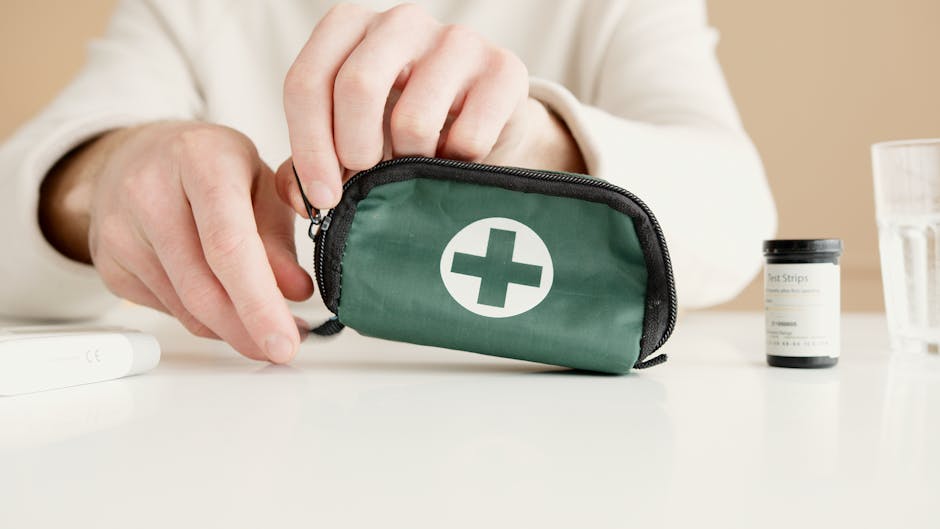
- Confirm the service: Check that the branch provides it and that it is suitable for your age and needs.
- Understand the appointment: Ask whether it is walk-in or booked, what to bring and who you will see.
- Explain your health clearly: Share relevant symptoms, conditions, allergies and medicines.
- Ask about options: Find out what assessment, advice or treatment might be offered, and what happens if you are not eligible.
- Clarify the next step: Make sure you understand any referral, follow-up or warning signs.
- Check privacy and cost: Ask where the consultation takes place and confirm the full charge before proceeding.
When a pharmacy may not be the right place to start
A pharmacist can help you decide where to seek care, but some problems need a different service. Get urgent medical advice if symptoms are worsening, severe or worrying, or if the pharmacist tells you to seek it. Call 999 for a life-threatening emergency. If you are unsure where to go in England, NHS 111 can help direct you to appropriate care; use the equivalent service in your nation if you live elsewhere in the UK.
Community pharmacies can provide a valuable first point of contact for suitable health needs, often without the wait for a routine appointment. Asking clear questions helps you understand the service’s limits as well as its benefits. Check availability, eligibility, the referral plan and the cost—and do not hesitate to ask the pharmacist to explain anything that is unclear.