What Order Do I Use CBD Cream, Sunscreen, and Bug Spray?
Living in the Yucatán means contending with intense sun, relentless humidity, and a persistent army of mosquitoes. When you’re an expat or long-stay traveler, your daily routine must adapt to these tropical realities — especially your skincare regimen. If you’re wondering, “What order do I use CBD cream, sunscreen, and bug spray?” you’re not alone. Missteps in layering these products can not only reduce effectiveness but also turn your skin routine into a sticky, shiny mess.
As someone who has tested routines under Yucatán heat for over seven years (and keeps a fan by my desk running at all times), I’m here to share how to optimize your topical application outdoors. I’ll also mention great local, tested brands like Joy Organics CBD cream, as well as insights from Yucatan Magazine and Yucatan Studio on embracing smart daily habits.
Why Does Application Order Matter?
Before jumping in, understand this: humidity spell doom for creams and sprays if your skin isn’t properly prepped. Hot, sticky skin does not equal a ready canvas. Layering skincare outdoors isn’t just slathering The original source product after product; it’s a careful choreography.
- Wet or damp skin ruins topicals: If your skin is still damp from sweat or a recent shower, creams and sunscreens will slide off or absorb poorly. The result? You waste product and get uneven coverage.
- Interaction between products matters: Sunscreens and bug sprays, especially those containing DEET, can react differently when mixed with oils or thick creams.
- Proper layering maximizes protection: Sunscreen must be the barrier against UV rays, bug spray the last line of defense against insects.
Cool-Down and Dry-Off Routines: Before Any Topical
First things first—never apply any topical to skin that is wet or just emerged from a steamy shower or sweat session. The Yucatán humidity averages around 80%+, so the skin surface often feels perpetually damp. Here’s what I do:
- Step out of any wet environment: Be it pool, shower, or post-walk sweat, allow a cool-down period of at least 10-15 fan minutes. Yes, I literally time by fan minutes.
- Pat dry — don’t rub: Using a clean towel, gently pat skin to remove moisture but avoid irritating the surface.
- Wait another 5 minutes: Let skin become slightly cool and dry; this minimizes absorption issues and product dilution.
This routine ensures your application base is stable. It’s why instructions written for air-conditioned climates often fail for Yucatán residents—they overlook the “wet skin” problem.
Layering Order: CBD Cream, Sunscreen, and Bug Spray
Now for the crux — what goes on first? The general rule is simple but often overlooked:
- Apply skincare topicals first (CBD cream).
- Apply sunscreen next.
- Apply bug spray last.
1. CBD Cream (e.g., Joy Organics)
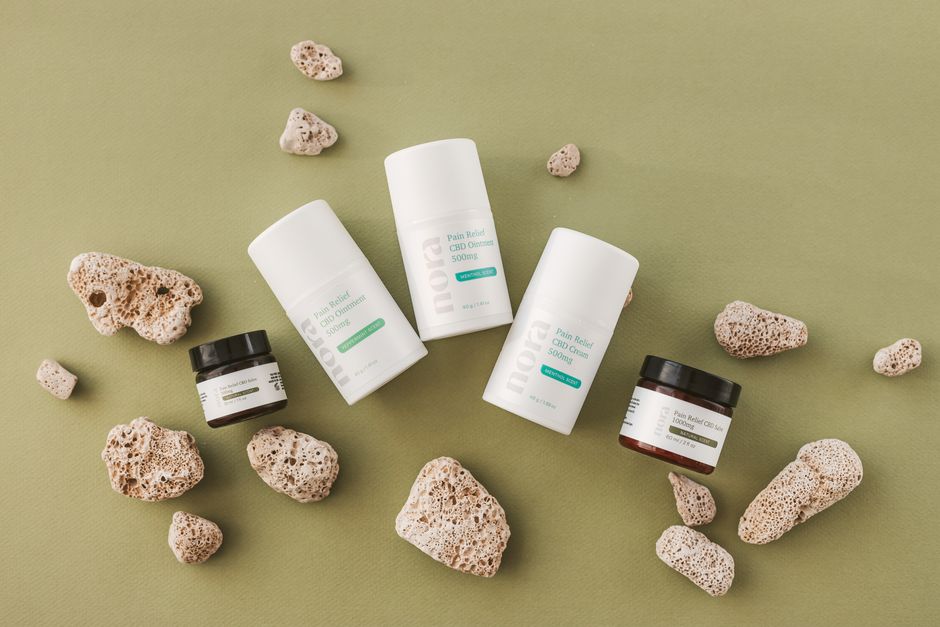
Joy Organics offers premium, broad-spectrum CBD topical creams. These products soothe skin and may calm inflammation, a welcome relief after sun exposure or insect bites. Because they are often oil-based or contain rich emollients, they need to fully absorb before other layers go on.
Using CBD cream first forms your skin care base but requires proper drying time. Apply after your skin is cool and dry to prevent dilution or uneven absorption.
2. Sunscreen — Your UV Shield
Next: sunscreen. It’s vital this product acts as a uniform, unbroken barrier against damaging radiation. Applying sunscreen over wet skin or oily creams leads to inconsistent coverage. Many people complain their sunscreen “doesn’t work” in the tropics when really it’s the wet, humid conditions undermining it.
At the Yucatan Studio, they emphasize selecting sunscreens formulated for humid climates—light, fast-absorbing, and non-comedogenic.
Instructions:
- Wait at least 5-10 minutes after CBD cream application to let it absorb.
- Apply sunscreen liberally to all exposed areas.
- Allow sunscreen to set and dry for 10-15 fan minutes before proceeding.
3. Bug Spray (Repellent Goes Last!)
Finally, insect repellent — ideally last, so it forms a protective outer layer. Why last? Because many bug sprays, especially those with DEET, can interact adversely with oils or plastics in creams and sunscreen.
DEET is known to break down plastic components and mix poorly with oil-based products. If applied before moisturizing creams or sunscreen, it can reduce repellent effectiveness and even cause skin irritation.
Always:
- Apply bug spray on dry skin after sunscreen has fully set.
- Use caution around eyes, lips, and broken skin.
- Reapply as directed based on outdoor exposure levels.
Quick Reference Table: Order and Timing
Step Product Key Instructions Wait Time Before Next Step 1 CBD Cream (e.g., Joy Organics) Apply on cool, dry skin; pat gently to absorb 5-10 minutes 2 Sunscreen (humidity-appropriate formula) Apply liberally; do not rub excessively; let set evenly 10-15 minutes (fan minutes are ideal measure) 3 Bug Spray (DEET or DEET-free) Apply last; only on dry sunscreen layer; avoid eyes and lips Reapply per instructions—usually every 2-4 hoursAdditional Tips From Yucatán’s Heat-Tested Experts
- Keep product lids tightly closed: Humidity and heat degrade active ingredients quickly. Leaving lids loose is an automatic disqualification in my book.
- Use lightweight, matte-finish creams: Heavy emollients turn into sweat traps in this climate.
- Avoid applying creams on wet skin: This is my top annoyance since it ruins efficacy and ruins linens—Yucatan’s humidity magnifies the issue.
- Reapply sunscreen generously: You cannot “set and forget” in the tropics—reapplication is key to protection.
- For bug spray, alternate between DEET and natural repellents: DEET is effective but harsh; natural repellents may reduce skin irritation but require more frequent applications.
Addressing Common Questions
Can I mix CBD cream directly with sunscreen to save time?
No. Mixing products destroys their individual effectiveness, especially sunscreen’s uniform coverage and CBD cream’s absorption. Layer properly instead.
What if my skin feels sticky after layering?
This indicates applying topicals on damp skin or too many heavy products. Reassess your cool-down and dry-off routine and select lighter formulations if necessary.
Is DEET safe with sunscreen?
Yes, but only when applied last and on dry sunscreen. DEET can break down plastic components and is best not mixed with oil-based creams. Proper layering prevents these issues.
Final Thoughts
If you’re embracing long-term living or travel in the Yucatán, your skincare layering strategy needs to be more than a quick slather. Start with a dry, cool skin surface, apply your topical treatments first (like Joy Organics CBD cream), then sunscreen, and finish with bug spray to keep those pesky mosquitoes at bay. Trust the experts at Yucatan Magazine and Yucatan Studio who advocate for smart, climate-adapted routines.
And remember, always keep lids tightly closed, avoid applying products to wet skin, and respect the timing between each step. Your skin will thank you—and so will your linens!
Welcome to humidity-savvy layering for your best outdoor skin protection yet.