What Kind of Exercise Helps Sleep the Most?
Sleep isn’t just a nightly reset; it’s the very foundation of our overall health. From brain function and mood regulation to immune defense and heart health, quality sleep plays a starring role. Yet for many women, achieving good sleep can be a challenge—especially when juggling hormonal fluctuations, mental load, and stress that keep the mind buzzing at bedtime.

If you’re wondering which type of exercise can specifically boost your sleep quality, you’re not alone. Walking, yoga, and strength training each offer unique benefits, but how do they compare? And how do women’s life stages and hormones intertwine with the impact of exercise on sleep? Let’s dive in.
Understanding Sleep as the Foundation for Health
Quality sleep fuels everything—from how well we concentrate during the day to how resilient we are against best breathing exercises for sleep illnesses. Sleep experts widely agree adults need between 7–9 hours nightly, though individual needs vary. The Women In Balance sleep calculator is a great tool to estimate your optimal timing, tailored for women’s unique biology.
When sleep is poor or insufficient, it can exacerbate:
- Cardiovascular risk
- Weight management issues
- Mental health struggles like anxiety or depression
- Hormonal imbalances
Because of this, improving sleep often lays the groundwork for improvements in other health areas.
Women’s Specific Sleep Disruptors Across Life Stages
Women face sleep disruptions that are often tied directly to hormonal best mattress for women back pain changes. Understanding these can help tailor both sleep hygiene and exercise choices.
Menstrual Cycle
Many women notice sleep quality dips in the luteal phase (after ovulation, before menstruation), when progesterone and estrogen fluctuate. Physical discomfort, mood shifts, and body temperature changes disrupt restful sleep.
Pregnancy
Pregnancy brings physical discomfort, frequent urination, and anxiety about childbirth, all common disruptors of sleep.
Perimenopause and Menopause
Hot flashes and night sweats, driven by decreasing estrogen levels, often fragment sleep. Additionally, mood changes and anxiety may increase bedtime restlessness.
Aging
Natural aging shifts sleep architecture, reducing deep sleep phases. Additionally, medical conditions and medications may impact sleep quality.
Hormones and Sleep Quality
Hormones act like internal sleep regulators. Estrogen promotes sleep by increasing a neurotransmitter called serotonin. Progesterone has calming, sedative-like effects. Testosterone also supports sleep maintenance.
When these hormones are out of sync, women often experience difficulty falling asleep, poor sleep continuity, and less restorative sleep.
Effective strategies to support hormonal balance can include diet, stress management, and crucially—exercise.
Mental Load and Bedtime Anxiety
Beyond hormones, mental load—the invisible weight of planning, multitasking, and worrying—keeps many women’s minds racing at night. Anxiety and “bedtime brain” make it hard to unwind, even when the body is physically tired.
A key piece of advice is a simple 10-minute wind-down routine. It sounds doable and helps signal your body to shift into rest mode. Exercise can be a powerful tool here—not just physically, but mentally.
Which Exercise Helps Sleep the Most?
Exercise is one of the most natural sleep aids—boosting metabolic health, lowering stress hormones, and enhancing melatonin production. But not all exercises are equal when it comes to sleep support.
Walking: The Gentle Sleep Booster
Walking, especially outdoors, is an accessible, low-impact exercise that offers a mild cardiovascular workout. Here’s why walking helps with sleep:
- Regulates Circadian Rhythm: Exposure to natural light while walking helps reset your internal clock.
- Lowers Stress: Rhythmic movement encourages relaxation and reduces cortisol.
- Improves Mood: Mild aerobic activity stimulates endorphins, easing anxiety.
Walking is particularly suitable for women in perimenopause or those with joint sensitivities. Evening walks, timed a couple of hours before bed, can be especially effective to promote deeper sleep.
Yoga: Combining Movement and Mindfulness for Sleep
Yoga stands out because it blends gentle physical postures with deep breathing and mindfulness. Benefits for sleep include:
- Relaxation Response: Activates the parasympathetic nervous system for better wind-down.
- Reduces Anxiety: Focused breathwork calms racing minds and reduces bedtime anxiety.
- Improves Flexibility and Pain: May alleviate physical discomfort that interrupts sleep.
Studies consistently show yoga participants report better sleep quality and less insomnia. Styles like restorative and yin yoga are especially suited for pre-bedtime practice.
Strength Training: Building Restful Sleep Through Muscle Health
Strength training—using weights, resistance bands, or body-weight exercises—supports sleep indirectly by:
- Regulating Hormones: Helps balance insulin and cortisol levels, supporting sleep.
- Increasing Deep Sleep: Resistance workouts have been shown to boost slow-wave (deep) sleep phases.
- Reducing Anxiety and Depression: Muscle strengthening encourages endorphin release and boosts confidence.
For women managing menopausal symptoms, strength training also counters muscle loss and supports bone density—important factors in overall well-being and restful nights.
How to Choose the Best Exercise for Your Sleep
Choosing the ideal exercise depends on your life stage, current fitness, and the specific sleep challenges you face. Here’s a quick guide:
Exercise Best For When to Try Sleep Benefits Walking Beginners, those with joint issues, perimenopausal women Late afternoon or early evening Supports circadian rhythm, reduces stress, improves mood Yoga Anyone needing relaxation and anxiety reduction, women with pain or stiffness Evening or just before bed (gentle styles) Activates relaxation response, improves flexibility, lowers anxiety Strength Training Perimenopausal and menopausal women, those looking to build muscle and metabolism Morning or afternoon (avoid late night to prevent stimulation) Increases deep sleep, regulates hormones, reduces anxietyAdditional Tips: Making Exercise Work for Your Sleep
- Stick to a Consistent Schedule: Regular exercise timing helps your body establish natural rhythms.
- Don’t Overdo It: Excessive or very intense evening workouts can elevate adrenaline, disrupting sleep.
- Pair Exercise with a 10-Minute Wind-Down: After your workout, take time to gently unwind with stretching, meditation, or journaling.
- Keep a Paper Notebook by Your Bed: Jot down worries or to-dos to clear your mind before sleep.
- Listen to Your Body: Adjust exercise type, intensity, and timing to find what best supports your unique sleep needs.
The Bottom Line
Regular exercise is a cornerstone of better sleep, but the kind of activity that helps the most depends on your life stage and sleep challenges. Walking gently tunes your circadian rhythm and eases mental load; yoga blends calming mindfulness with physical ease; strength training supports hormonal balance and deep sleep.
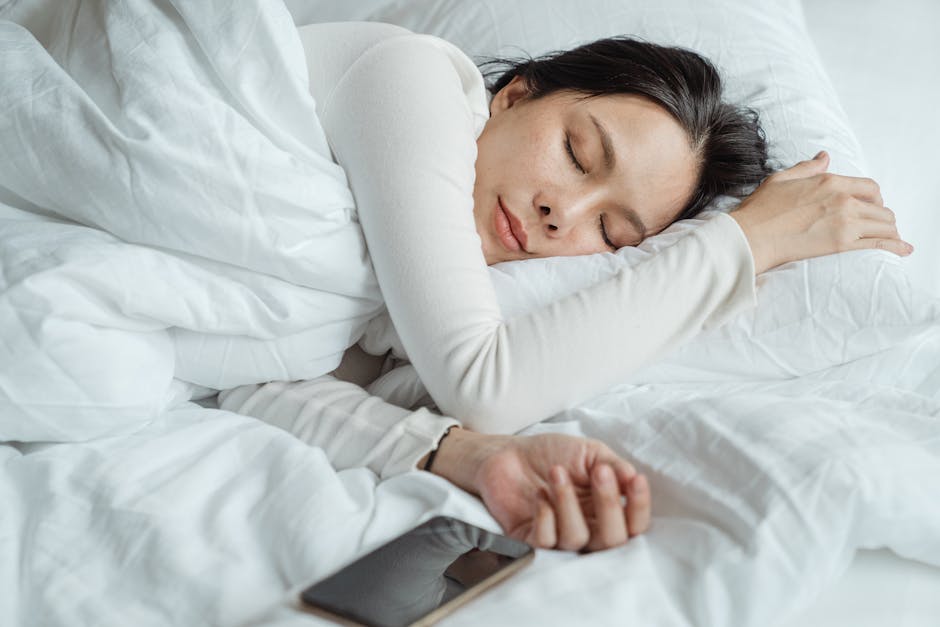
Try mixing these exercises smartly—like a midday walk, evening gentle yoga, and strength training a few days a week—to build a foundation for restful nights and healthier days. Don’t forget to check your personalized ideal sleep window with the Women In Balance sleep calculator as a handy guide to align your habits with your biology.
With a bit of trial, a 10-minute wind-down routine, and simple tools like a bedside notebook, you can quiet your mind and power down your body, setting the stage for truly restorative sleep.