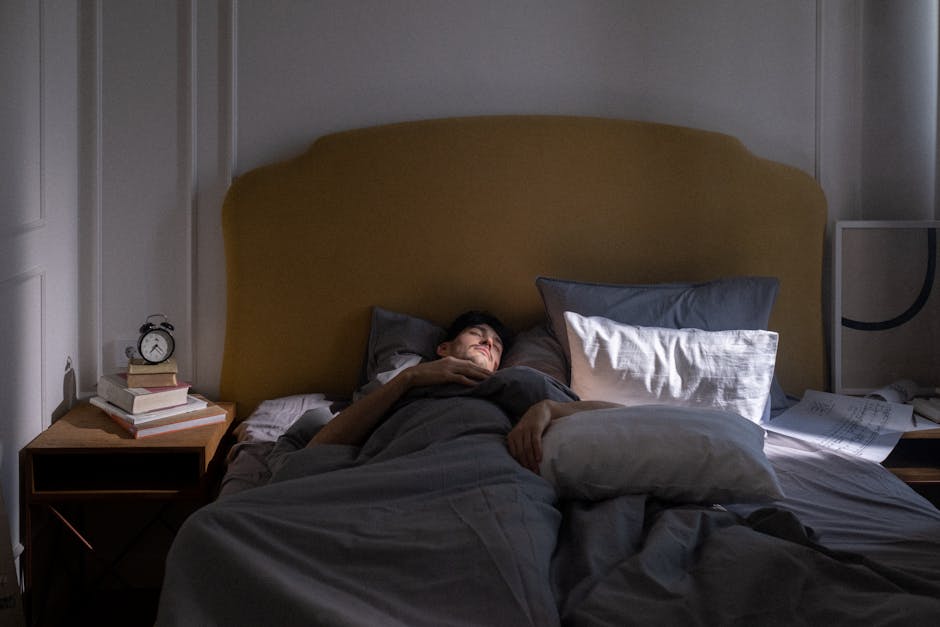
What Is Revenge Bedtime Procrastination—and Why Does Streaming Make It Worse?
You meant to watch one episode. Now the credits have rolled twice, the next episode has started without asking, and tomorrow’s alarm feels much too close. This familiar late-night pattern has a name: revenge bedtime procrastination.
The phrase describes putting off sleep to claim personal time after a day that felt crowded with work, chores, caregiving, or other demands. Streaming can make that delay easier to slip into—not because viewers lack discipline, but because many services are designed to keep the next choice close at hand. Autoplay, full-season drops, and endless menus can turn a small evening break into a much longer session, especially when decision-making feels harder late at night.
Understanding the revenge bedtime procrastination meaning screens off time routine can help you respond with curiosity rather than self-blame. The aim isn’t to ban entertainment. It’s to make it easier to enjoy a show and still leave enough time for sleep.
What Does Revenge Bedtime Procrastination Mean?
Revenge bedtime procrastination is an informal term for delaying bedtime even when you know you need sleep, often to reclaim leisure time that didn’t feel available during the day. The “revenge” isn’t aimed at a person or a streaming service. It describes a bid for autonomy: “This is my time, and I don’t want the day to be over yet.”
That can look like watching one more episode, scrolling in bed, gaming, or putting off the small tasks that come before lights-out. Sleep procrastination is often less about not knowing sleep matters and more about the tension between a future benefit—feeling more rested tomorrow—and an immediate reward, such as finding out what happens next.
Why the habit can feel so compelling
After a day filled with other people’s schedules and responsibilities, leisure can feel like something you have to protect. Going to bed may seem like surrendering the only part of the day that belongs to you. That feeling is real, even when staying up leaves you more tired the next morning.
Sleep procrastination can also become a routine: the show ends, another begins, and bedtime keeps moving. If this pattern is frequent and affects your daily life, it may be worth discussing your sleep or stress with a healthcare professional. A label can describe a habit, but it doesn’t explain every person’s circumstances.
Why Streaming Makes Late-Night Streaming Harder to Stop
Streaming services reduce the effort needed to keep watching. In practical terms, that is convenient. At sleep hygiene for night owls night, it can also mean fewer natural pauses in which you might notice the time, make a choice, and decide to stop.
Autoplay turns a decision into a countdown
When autoplay is on, the next episode may start after a short countdown. That design shifts the decision from “Do I want to watch another episode?” to “Do I want to interrupt what is already happening?” The second question can take more effort—particularly when you are tired, comfortable, and absorbed in a story.
This is a product-design issue as much as a personal-habit issue. A viewer shouldn’t have to rely on perfect willpower to override a default that keeps the content moving. And at night, willpower is often at its lowest: you may have already made dozens of decisions, and the immediate pleasure of continuing can feel more vivid than tomorrow’s need to get up.
Full-season drops make stopping points less obvious
With full-season drops, an entire season becomes available at once. That gives viewers control over when and how quickly to watch, but it can also remove the natural wait between episodes. There’s no need to come back next week, and the next episode is right there.
A season release isn’t a command to binge. Still, when the story is built around cliffhangers and the service makes continuing simple, an intended short break can stretch. The choice is yours, but the viewing environment affects how easy that choice feels.

Choice overload adds friction at the wrong moment
Sometimes the problem isn’t that you know exactly what to watch. It’s that you keep browsing because you’re not sure. A late-night search through rows of titles can drain attention without delivering much satisfaction. Once you finally pick something, you may feel you should watch long enough to make the search “worth it.”
This mix of effort, anticipation, and convenience can help explain why late-night streaming runs longer than planned. Recognizing the pattern makes it easier to change the setup instead of blaming yourself after the fact.
How to Turn Off Autoplay in Netflix Settings
One small adjustment is to disable automatic playback of the next episode. On Netflix, use a web browser and go to:
- Open Account.
- Under Profiles, choose the profile you use.
- Select Playback settings.
- Uncheck Autoplay next episode in a series on all devices.
- Select Save.
Netflix menus can change over time, and the exact labels or availability may vary. The path above is the account-level route; check your current account settings if you don’t see the same wording. Turning off autoplay doesn’t prevent you from watching another episode. It simply puts a pause back between episodes, so continuing becomes an active choice instead of the default.
That pause is useful because it gives you a chance to notice the time and check in with yourself: “Do I want another episode enough to trade for the sleep I’d get by stopping now?” You don’t need a perfect answer. You just need a moment to make one.
Practical Ways to Make Your Evening Easier
A good plan works with tired-you, not just the organized version of you at lunchtime. Instead of promising yourself you’ll stop at some vague point, make a few decisions earlier in the evening and reduce the number of choices you have to make in bed.
- Choose a stopping point before you press play. Decide on one episode, a specific time, or a natural break in the program.
- Set a “start getting ready” alarm. Treat it as a cue to begin winding down, not as a demand to fall asleep instantly.
- Keep the remote or phone out of bed. A little physical distance can make the next episode less automatic.
- Pick tomorrow’s first small task tonight. Reducing morning uncertainty can make going to bed feel less like leaving everything unfinished.
- Make some leisure time earlier in the day. Even a modest, protected break may reduce the sense that nighttime is your only chance to enjoy yourself.
- Keep a familiar wind-down option ready. A book, quiet audio, or a simple routine gives you something to switch to when the episode ends.
A table for spotting the design nudge
Streaming feature What it can encourage A small counter-move Autoplay Continuing before you’ve made a fresh decision Turn it off and use the episode ending as a check-in point Full-season drops Watching several episodes because the next one is immediately available Choose your episode limit before starting Endless browsing Spending time searching, then watching later than intended Pick a title earlier or set a limit for browsing Watching in bed Pairing your bed with extended viewing and making it harder to stop Watch in another spot when practical, then move to bed for your sleep routineMake the Plan About Choice, Not Punishment
It’s easy to turn sleep advice into another rule you feel you’ve failed. Try a more flexible question: “What would make tonight feel enjoyable and still leave room for tomorrow?” Maybe that means one episode and a short wind-down. Maybe it means finishing a gripping finale and adjusting your plan the next evening. The aim is to notice the trade-off, not to be perfect.
If you use a streaming service such as Netflix, think of settings as part of your environment. Disabling autoplay creates a pause; choosing a stopping point creates a boundary; watching earlier creates more room. None of these guarantees a particular sleep outcome, but they can make your intentions easier to follow.
The same practical approach applies to products marketed for relaxation or sleep. For example, if you come across a brand such as Joy Organics, read the specific product label and claims rather than assuming that a wellness product will solve a bedtime pattern. Ingredient names, amounts, and directions should be clear. No brand or supplement is a substitute for an evening routine that fits your needs, and products are not guaranteed to improve sleep.
Tiny Choices That Save Tomorrow Morning
I keep a running list of small decisions that can make the next morning less punishing. They aren’t dramatic fixes. They’re ways to make the night easier to exit.
- Turn off autoplay before you start a series.
- Put a glass of water or your morning essentials where you’ll find them.
- Decide which episode is the last one before the opening credits roll.
- Set a gentle reminder to begin getting ready for bed.
- Leave your phone charger away from the bed if scrolling keeps extending the night.
One or two tiny choices are enough to test. You can adjust them if they don’t fit your routine. The point is to make the version of you who is tired at night face fewer hurdles.
The Bottom Line
Revenge bedtime procrastination is often an attempt to reclaim personal time, not a character flaw. Streaming can make sleep procrastination worse by smoothing the path from one episode to the next: autoplay starts the next installment, full-season drops remove the wait, and late-night browsing adds decision fatigue when your capacity for decisions is already low.
Make the design work a little less automatically in your favor: turn off autoplay, decide on a stopping point, and give yourself some leisure time before the night gets late. You can still enjoy the show. You’re simply adding a pause that lets you choose whether another episode is worth tomorrow morning’s cost.