Psyllium Husk Is Gross to Drink — Any Tips to Make It Easier?
Let’s be real: psyllium husk is one of those supplements that feels more like a chore than a treat. Its thick, slimy texture and bland flavor can make the simple act of drinking fiber feel downright unpleasant. But if you’ve landed in the grocery store supplement aisle or are rifling through your medicine cabinet looking for fiber drink tips, you’re not alone — and you don’t have to suffer through this to get all the benefits.

Why Psyllium Husk Even Matters
Before we dive into texture, taste hacks, and all things fiber drink tips, here’s a quick reality check: supplements like psyllium husk are gap-fillers, not miracle workers. They’re meant to add what your diet might be missing, not to serve as some overnight transformation or quick fix. That means consistent use with realistic expectations wins every time.
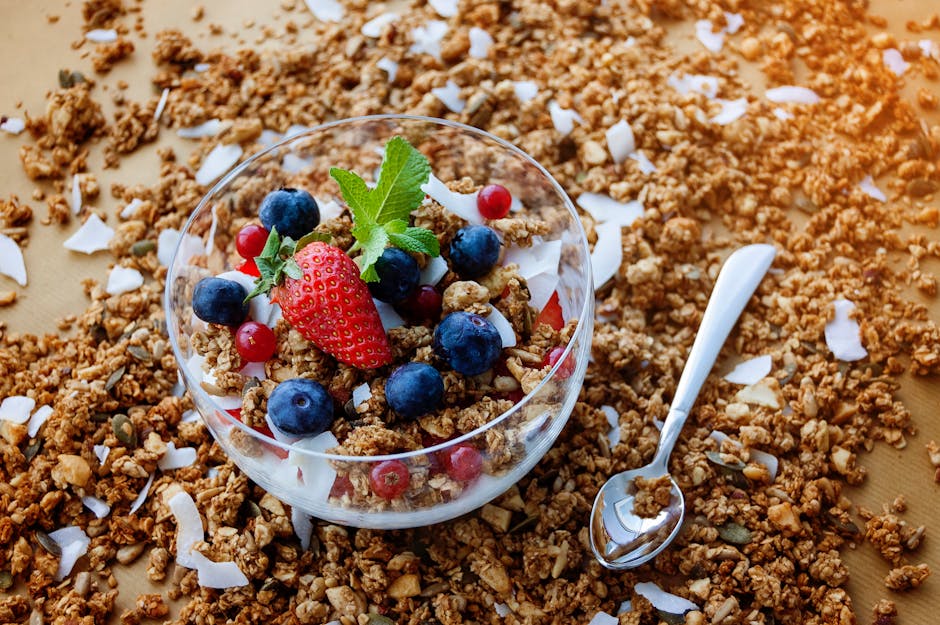
Psyllium husk’s main job is to provide soluble fiber, supporting digestion, regularity, and in some cases, cholesterol levels. But as anyone who has tried it will tell you, the psyllium texture can be intimidating — gelatinous and thick, it turns your drink into a viscous slurry faster than you can say “fiber.”
Fiber Drink Tips: How to Make Psyllium Husk More Palatable
Let’s get practical. Here are some user-tested tips that make taking psyllium husk batch COA code easier:
- Use More Liquid Than You Think You Need Psyllium absorbs water and expands quickly, so it’s essential to mix it in at least 8 ounces of water or other liquid. If you skimp, it will thicken rapidly and get beyond unpleasant.
- Drink It Fast Like a Shot Prepare your psyllium mix fresh and drink it quickly before it gels. This minimizes texture issues.
- Mix It With Juice or Flavored Drinks Neutral water can be boring; try orange juice or a mild-flavored drink to mask the bland and slippery feel.
- Chill Your Drink Cold beverages can make the texture less noticeable and more refreshing.
- Use a Blender or Shaker Bottle These tools break up clumps and help keep the texture smoother.
- Try Capsules If Texture Is a Dealbreaker Pills can be less effective but are an option if you absolutely hate the powder.
Stick With It: The Best Advice I Can Give
Consistency is where psyllium really shines. Some days it tastes gross (and I’m not sugarcoating it), but sticking with it ensures the benefits of fiber — healthier digestion, balanced blood sugar, and that crucial regularity. My unofficial rule: one week minimum before you decide if your fiber routine works for you.
What to Look for in Your Psyllium Supplement and Other Key Supplements
If you’re scanning the labels in the grocery store supplement aisle or digging through your medicine cabinet, here's what I recommend keeping an eye on:
Supplement Quality Indicators Label Red Flags Notes Psyllium Husk 100% pure psyllium fiber, no fillers, transparent ingredient amounts Proprietary blends hiding dose, added sugars, excessive fillers Look for certifications like USP or NSF to ensure purity and third-party testing Magnesium Forms like magnesium glycinate or citrate Proprietary blends hiding elemental magnesium amount Choice depends on purpose: glycinate for sleep supports, citrate for digestion Creatine Creatine monohydrate, pure with no additives Blends with unknown doses, unnecessary fillers Great for aging adults seeking strength and muscle preservation; set water weight expectations accordingly Mushroom Supplements Labels stating "fruiting body," beta-glucan content, third-party testing like NSF Mycelium grown on grain, vague terms like "mushroom complex" Fruit bodies have higher beta-glucans which are responsible for benefitsCertifications Matter: Why NSF and USP Can’t Be Ignored
When browsing the supplement section, be suspicious of fancy claims and shiny marketing that lack solid third-party verification. Two rock stars in third-party testing are NSF International and the United States Pharmacopeia (USP). Their seals mean a supplement has been held to strict testing for purity and accurate ingredient amounts — never a bad thing when you're putting something in your body.
Joy Organics, for instance, stands out as a company that commits to transparency and quality. While they’re better known for their CBD products, their focus on third-party testing including NSF and USP testing aligns with what conscientious supplement shoppers want.
Beyond Psyllium: Better Supplement Smarts
Sleep Support and Magnesium Forms
Not all magnesium is created equal. Magnesium glycinate is your go-to if you want sleep support; it’s gentle on the stomach and has calming properties. Magnesium citrate is better for digestion but can have a laxative effect (pun intended).
Labels often get tricky with proprietary blends hiding the actual milligrams of elemental magnesium. Again: zero tolerance here — if you can’t see the dose, pass.
Creatine for Aging, Strength, and Water Weight
Creatine is not just for young athletes chasing gains; it’s a powerhouse for aging adults to maintain muscle mass, strength, and brain health. But be realistic on the water weight front — some bloating or mild water retention is a known effect when you start creatine supplementation. It’s temporary and manageable.
Mushroom Supplement Quality and Labeling
Mushrooms are trending in wellness, but quality varies tremendously. Always opt for fruiting body extracts, which contain the desired beta-glucans linked to immune support. Avoid supplements using mycelium grown on grain because https://highstylife.com/cbd-and-prescription-meds-should-i-worry-about-interactions/ they have less active compounds and can muddy your dosing.
Final Thoughts: Embrace the Grind, Skip the Hype
Psyllium might be gross sometimes. There, I said it. But with the right fiber drink tips, knowing why you’re taking it, and choosing a clean, third-party tested product, it becomes a manageable part of your wellness toolkit. Attributes like sleep-supporting magnesium, scientifically dosed creatine, and responsibly sourced mushroom supplements round out a smart supplement approach focused on filling gaps — not chasing flashy transformations or quick fixes.
So, head back to the medicine cabinet with realistic expectations, check for those NSF and USP seals, avoid proprietary blends that hide ingredient amounts, and keep a shaker bottle handy. Your gut (and your sanity) will thank you.