Is Chronic Sleep Loss a "Lifestyle Choice" or an Industry Problem?
Every touring DJ and artist has a story about a 4 AM flight, a 2 PM set time, or a pitch-black hotel room where curtains failed spectacularly to block out dawn’s unwelcome light. These anecdotes often fuel a narrative that chronic sleep loss in the music industry is just a “lifestyle choice” — a badge of honor for those committed enough to the grind. But as someone who’s spent 9 years immersed backstage and alongside the flight cases stuffed with gear and USB sticks housing every transitional cue, I can tell you it’s far more complex. This is a structural issue rooted in the very makeup of touring itself.
The Circadian Rhythm in a Landscape of Perpetual Shift Work
At the core of sleep health is the circadian rhythm — our body's natural 24-hour cycle regulated primarily by exposure to light and darkness. This rhythm governs hormonal release, body temperature, and most importantly, our sleep-wake cycles. When we consistently disrupt these signals, we pay a physiological price.. edit: fixed that
Shift work research, largely from healthcare and transportation industries, offers valuable parallels for DJs and touring musicians. Studies show that rotating or overnight shifts cause chronic misalignment between internal clocks and external demands, leading to fatigue, impaired cognitive function, and long-term health risks.
Shift Work Factor Touring DJ Equivalent Impact on Sleep Night shifts / Overnight calls Late-night sets, club hours 11 PM–4 AM Restricts sleep opportunity to inconvenient daytime hours Rotating shifts Weekend-to-weekday flips across multiple time zones Circadian misalignment, chronic jet lag Extended wakefulness Travel days combined with technical setup and rehearsals Accumulated sleep debt, impaired alertnessLight Cues and the Hotel Blackout Curtain Fiasco
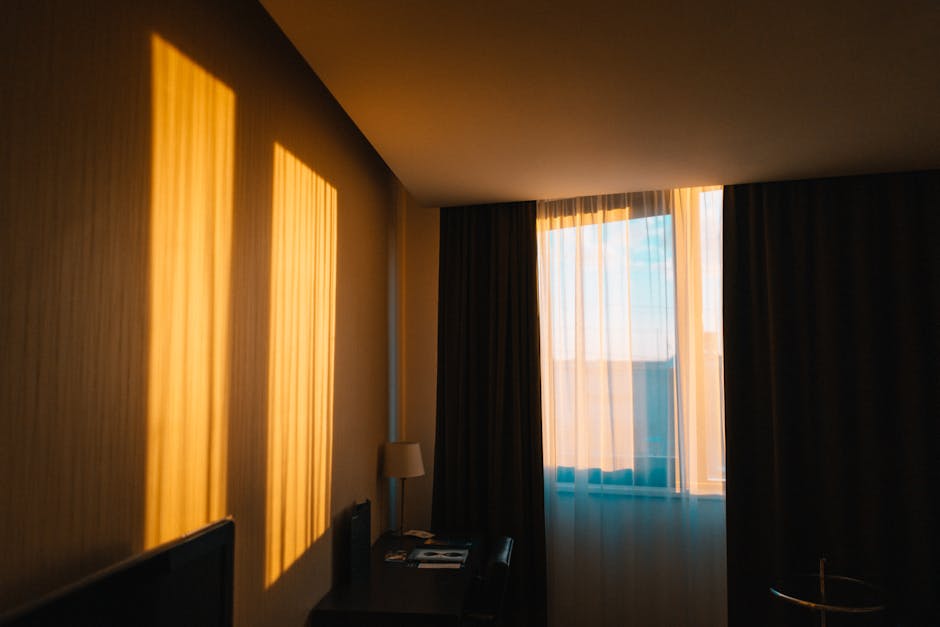
One detail I obsessively track on tours is the condition of blackout curtains in hotels. You’d be amazed how often they're ineffective — a sliver of light sneaking through can be enough to shift circadian signals, especially after a late set followed by a 7 AM load-out. Without proper darkness, melatonin production falters, making it tough to fall asleep even when the body desperately needs rest.
Structural Touring Issues: More Than Just Choices
Framing sleep loss as a 'lifestyle choice' not only absolves industry stakeholders but also ignores the systemic factors that funnel musicians into exhausting schedules. Let’s unpack some key elements.

Set Times and Their Discontents
Booking agents and promoters often schedule sets to maximize venue attendance and bar sales, which means late-night prime hours dominate festival and club nights. A DJ might spin from 1 AM to 2:30 AM, load out by 3, catch a 5 AM shuttle to the airport, and board the next flight across a time zone. Even with the best intention to sleep, the window is often impractical.
The interplay of set times and travel logistics creates narrow and inconsistent sleep opportunities. Unlike a standard 9-to-5 schedule, which adheres closely enough to circadian principles, these sets flip the clock upside DJ travel packing list down repeatedly.
Agent Routing and Its Tradeoffs
Routing decisions play a huge role in chronic sleep disruption. Agents aim to string together tours efficiently, minimizing flight times and dead days, but the resulting connections often force artists into undesirable time zone jumps or back-to-back overnight travel. The result? DJs crossing several time zones within days, facing jet lag that compounds fatigue and circadian misalignment.
- Option A: Direct afternoon flights leading to late evening arrival — sleep opportunity reduced.
- Option B: Multiple legs with layovers extending travel — longer awake times and irregular sleep windows.
- Option C: Red-eye flights or early-morning check-ins — circadian rhythms struggle to adapt.
Each routing decision impacts when and where an artist can rest, often incompatible with natural biological cycles.
The Role of Touring Gear: More Than Just Tech
Behind every successful set is a meticulous DJ setup, packed carefully into flight cases. These hard cases don’t just hold gear; they reveal workflow and schedule realities. For example:. Exactly.
- USB sticks: DJs rely on these for seamless transitions, prepared with music sorted by key, BPM, or mood to fit any time or crowd. But when the artist is exhausted, the risk of technical errors or slowed decision-making increases.
- Flight cases: Hefting heavy gear across airports at sunrise is standard, often after a night of critical performance. This physical burden adds to overall fatigue, secondary to sleep deprivation.
You ever wonder why proper rest isn’t just about health — it’s integral to maintaining the technical precision and creative spontaneity required in performances.
Is There a Way Forward?
Acknowledging chronic sleep loss as an industry problem means opening dialogue with all the players involved: artists, managers, agents, promoters, and venues.
- Rethink Set Times: Could some events schedule earlier sets, or stagger ideal performance windows to better allow recovery?
- Improve Routing Transparency: Equip artists and managers with routing options that prioritize sleep opportunities, even if they come with minor cost or logistical tradeoffs.
- Invest in Sleep Support: High-quality blackout curtains and sleep kits could be standardized in artist accommodations.
- Educational Outreach: Share shift work and circadian rhythm research tailored to the touring lifestyle, helping artists make informed decisions and advocate for healthier schedules.
Final Thoughts
The narrative of sleep deprivation as a “lifestyle choice” overlooks the structural touring issues that demand impossible scheduling from artists. Circadian misalignment, poor routing decisions, and late set times combine, creating an unavoidable slipstream of chronic fatigue. Like flight cases and USB sticks critical to the music, sleep is a non-negotiable tool for success—not just a personal indulgence.
Industry change won’t happen overnight, but applying research from shift work and prioritizing artists’ biological needs will help move the needle. Until then, every blackout curtain check here failure and 6 AM airport gate will remind us that the “grind” is often a grind imposed by systemic factors — not merely an individual choice.