How Do I Stop Mould Around Plumbing Connections and Seams?
Living in humid climates like Singapore means that controlling moisture inside our homes is not just a preference but a necessity. One of the most persistent issues homeowners face is mould around seams and plumbing connection damp. These spots, often hidden, can become a health hazard and degrade indoor air quality if not handled correctly.
Having spent over 11 years coordinating renovation projects focused on humid-climate apartments and landed homes, especially addressing mould prevention and senior-friendly layouts, I've seen firsthand how crucial a design-first approach is. It’s not just about cleaning up mould but stopping it from starting in the first place through proper airflow, moisture-friendly detailing, and smart material choices.
Understanding the Humidity Systems in Your Home: Bathroom, Kitchen, Laundry
Think of your bathroom, kitchen, and laundry as three interconnected moisture systems rather than isolated rooms. Each generates steam and humidity daily, which, if not managed properly, will seek out hidden seams and plumbing connections and turn them into mould magnets.
- Bathrooms: Frequent steam from hot showers saturates the air and surfaces.
- Kitchens: Cooking with boiling water, dishwashing, and even washing produce add to ambient moisture.
- Laundry rooms: Wet clothes, especially if drying indoors, contribute large amounts of humidity.
When these rooms are poorly ventilated or sealed off without proper moisture-friendly detailing, plumbing seams and joints become hotspots for water accumulation and subsequent mould growth.

Where Does the Steam Go? Why Plumbing Seams Are Vulnerable
One of my renovation quirks is always asking, " Where does the steam go?" When steam can't escape efficiently, it condenses on cooler surfaces—often the rigid, concealed voids around plumbing connections and wall seams.
Common vulnerability points include:
- Under sink voids where water pipes enter cabinetry
- Sealant/caulk seams around tubs, shower trays, and kitchen sinks
- Expansion joints at wall and ceiling intersections
- False ceilings or bulkheads near windows with plumbing runs behind them
Indoor Air Quality and Moisture Control: The Bigger Picture
Addressing mould around seams isn't just a cleaning task; it’s part of controlling indoor air quality (IAQ). Mould spores released from damp seams contribute to poor IAQ and can trigger respiratory issues, allergies, and asthma.
The moisture from plumbing dampness also encourages dust mite proliferation, compounding IAQ problems.
Strategies to improve IAQ and moisture control include:
- Mechanical Ventilation: Install effective exhaust fans in bathrooms, kitchens, and laundry rooms. Fans must vent outdoors—not just into ceiling voids.
- Natural Ventilation: Encourage cross-breezes through windows or vent panels where possible to keep airflow moving over plumbing areas.
- Humidity Monitoring: Use hygrometers in vulnerable rooms; aim to keep relative humidity below 60%.
- Dehumidification: Portable dehumidifiers may be necessary, especially in tight layouts with limited ventilation options.
Material Choices for Cleanability and Durability
Choosing the right materials around plumbing seams can save years of frustration and reduce mould risk.
Key attributes to look for include:
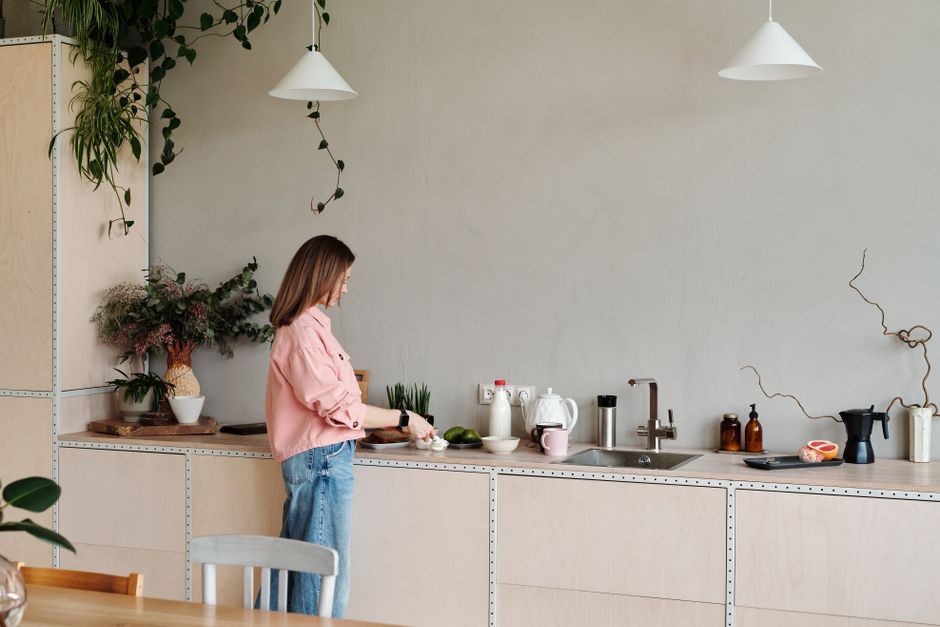
- Non-porous surfaces that do not absorb water (e.g., ceramic tiles, glass, metal trims)
- Water-resistant sealants designed for constant moisture exposure; avoid generic household caulks
- Easy-to-clean surfaces: Smooth, wipeable panels and cabinetry finishes that resist staining and absorbency
- Durable trim and moulding: Use PVC or powder-coated metal trims in kitchen and laundry areas instead of MDF or untreated timber that swell and decay easily
Remember, materials are only part of the solution. Even the best products won't perform if installation and detailing don't support moisture control and airflow.
Moisture-Friendly Detailing: Design-First Mould Prevention
Design is where prevention truly happens. When laying out plumbing connections and seams, think beyond aesthetics and consider:
- Airflow routes: Prevent sealed-off pockets where stagnant, humid air can settle. Even small gaps or vent channels under cabinets can help airflow.
- Accessible Inspection Points: Design cabinetry and bulkheads so plumbing connection points can be checked regularly for dampness and mould.
- Drainage planes: Ensure any incidental water seepage can naturally drain away from seams rather than accumulate.
- Flush, sealed joints: Avoid unnecessary crevices for mould to cling to. Seal penetrations well with appropriate flexible sealants.
- Elevated fixtures and fittings: Where possible, keep plumbing pipes off damp floors or wet areas to reduce condensation spots.
Steps to Stop Mould Around Plumbing Connections and Seams: A Practical Guide
- Identify mould-prone areas: Check under sinks, behind washing machines, around tap and pipe joints, seals on bathtubs and shower trays.
- Improve ventilation: Upgrade exhaust fans to a suitable capacity, confirm external venting, and increase natural ventilation if possible.
- Remove and replace damaged materials: Severely moulded or water-damaged drywall or cabinetry should be replaced with moisture-resistant alternatives.
- Use mould-resistant sealants and coatings: Silicone sealants with fungicide additives help seal joints effectively.
- Ensure regular cleaning and maintenance: Clean surfaces with gentle fungicidal cleaners regularly and check ventilation fans for maintenance.
- Monitor humidity continuously: Using a hygrometer helps catch problems before mould becomes visible.
- Design improvements in renovations: In remodels, insist on moisture management detailing, airflow planning, and material upgrading.
Table: Common Plumbing Seam Mould Magnets and Prevention Tips
Problem Area Mould Cause Prevention Measure Under sink cabinet voids Condensation on pipes, water leaks Use ventilation gaps, moisture-resistant lining, regular leak checks Shower tray joints Water seeping past caulk, trapped humidity Replace sealants regularly with high-quality silicone Behind laundry machine plumbing Leakage and poor airflow Elevate pipes, open ventilation panels False ceilings near bathroom plumbing Trapped humid air, condensation Install vent grills or avoid sealed false ceilings where possibleResources and Sharing
If you’d like to dive deeper into maintaining healthy indoor air quality and tackling mould in humid climates, check out the Your Health DMV Facebook page for community discussions and expert tips: YourHealthDMV senior friendly bathroom layout on Facebook.
Feel free to share this post with family or friends who might find it helpful: Share via Email.
Final Thoughts
Mould around plumbing connections and seams is never just a cleaning nuisance—it’s a sign that your home’s moisture dynamics need a rethink. Prioritize moisture-friendly detailing, design ventilation for steam escape, and choose materials that stand up to humid climate challenges.
By approaching bathrooms, kitchens, and laundry rooms as interconnected humidity systems and focusing on airflow and accessibility, you can keep mould at bay and breathe easier indoors.