How Do I Know if a Clinic’s Marketing Matches the Cautious National Guidance?
Here's what kills me: with the rise of private healthcare services offering remote consultations and prescriptions, especially in england, it's essential to understand how to navigate clinic marketing claims safely and sensibly. National guidance from healthcare regulators is clear but often nuanced: legality doesn’t always mean broad accessibility, and credible evidence underpins cautious claims over bold promises. In this post, we’ll unpack key considerations—including video consultations, remote prescribing requirements, and pricing clarity—to help you spot marketing that aligns with good practice and national standards.
Legality vs Real-World Access: Understanding the Gap
The NHS’s funding pressures have created a gap in patient access to timely services. Private clinics attempt to meet this demand, but the legal allowance to provide a service does not guarantee it is readily available or clinically appropriate for all.
- Legal services: Many clinics now offer video consultations and remote prescribing legally, but only when meeting specific regulatory standards.
- Accessibility & availability: A clinic might be allowed to prescribe medications remotely but whether they do so responsibly depends on factors like thorough patient assessment and follow-up.
- National guidance incorporates caution: Regulators encourage modest claims backed by evidence, avoiding suggesting that remote services can fully or safely replace in-person care in all cases.
So, when you see a clinic marketing easy remote access to prescription-only medications, it is wise to question whether this matches cautious national advice or just the legal minimum.
Who Can Prescribe and Why the GMC Specialist Register Matters
Another key factor is who is authorised to prescribe medications, especially via remote consultations. In the UK, prescriptions must be issued by registered medical professionals who have appropriate qualifications and are accountable under medical regulation.
- Registered General Practitioners (GPs) and Specialists: Only doctors on the GMC Specialist Register or with relevant clinical experience should issue specialist medications remotely.
- Why the Specialist Register matters: It ensures the prescriber has requisite expertise, which is crucial when decisions lack the immediacy of physical examination.
- Pharmacists and nurses: They can prescribe under specific collaborative agreements but this depends on setting and regulatory oversight.
If clinic marketing fails to clearly identify who prescribes or overstates the ease of obtaining specialist drugs, it is a red flag against national guidance promoting safe, evidence-based prescribing.
Regulation and CQC Oversight in England: What You Should Know
In England, the Care Quality Commission (CQC) regulates clinics providing health and care services, including those offering remote consultations and prescribing.
- Declaration of remote prescribing: Clinics must declare if they offer remote prescribing of prescription medications to the CQC, and these services enter scrutiny to ensure safe practice.
- Inspection and compliance: CQC inspections consider how clinics manage clinical risk, patient safety, and clear communication about service offerings.
- Transparency requirements: Clinics must provide clear information on consultation types, pricing, and medication costs—this protects patients from hidden expenses.
Beware clinics that do not mention their CQC registration status or whether they comply with remote prescribing declarations, as this may signal gaps in patient safeguarding consistent with national guidance.
Video Consultations and Remote Prescribing: Benefits and Limits
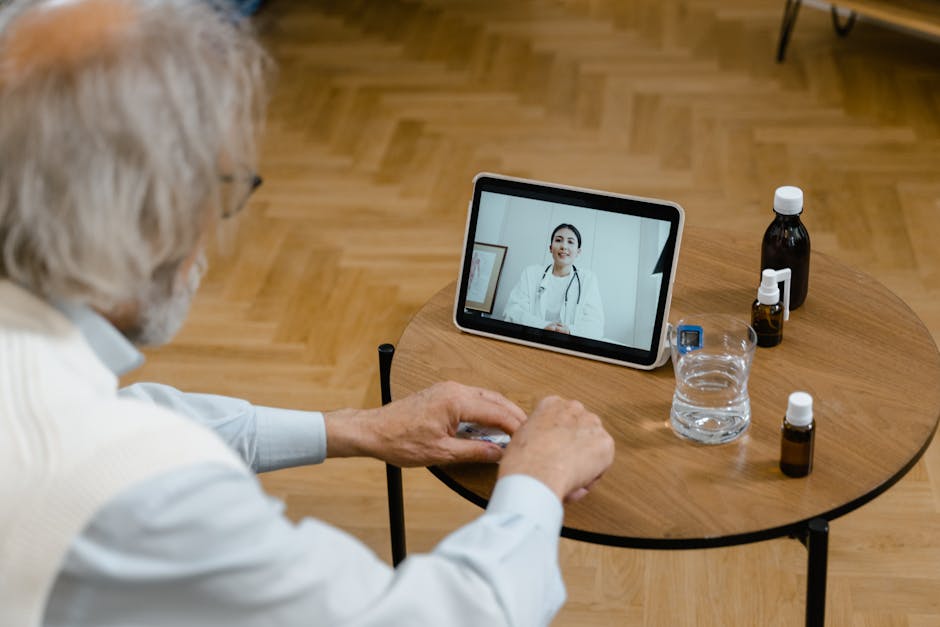
Video consultations offer convenience and extend access, especially in times of public health concern or for patients with mobility challenges. National guidance supports their use with caution and clear protocols.
- Benefits: Access to care without travel; speedier assessments; potential continuation of care alongside NHS services.
- Limits: Not all conditions are suitable; video limits the ability to perform physical examinations and nuanced patient observation.
- Remote prescribing: Must follow strict assessment procedures; prescribing without an adequate consultation can be unsafe and breaches professional standards.
Marketing that suggests video consultations are a full substitute for all forms of healthcare risks exaggerating the evidence base and national guidance perspective.

Common Marketing Mistake: Lack of Price Transparency
One frequent and concerning lapse in private clinic marketing is the failure to state clear consultation prices or medication costs upfront. This is problematic for several reasons:
- Informed consent: Patients need full cost information before agreeing to treatment.
- NHS vs private affordability: NHS-funded alternatives may be free or low-cost, so patients deserve clarity on private fees to make meaningful choices.
- Follow-up costs: Ongoing prescriptions or repeat consultations are often necessary—absence of this detail is misleading.
National guidance and CQC recommend clinics provide clear, todaynews.co upfront pricing including consultation fees, prescription charges, and any potential follow-up costs. If marketing skirts these details, it suggests a mismatch with cautious, patient-centred practice.
Checklist: How to Evaluate If a Clinic’s Marketing Respects National Guidance
Key Questions What to Look For Is the clinic CQC registered for the services it offers in England? Check for clear mention of registration status and compliance with remote prescribing declarations. Does the clinic clearly identify who performs the consultation and prescribes medications? Look for mention of doctors on the GMC Specialist Register or authorised prescribers with expertise. Are video consultations and remote prescribing offered with cautionary information? Marketing should explain limits of remote care and stress clinical assessment before prescribing. Are consultation prices and prescription costs stated clearly and upfront? Be wary if prices are hidden, vague, or marked “from” with no full breakdown. Does the clinic avoid overconfident claims about outcomes or evidence? Look for balanced language referencing national guidance and the current evidence base rather than bold “guarantees.” Is follow-up care and support clearly explained? Good clinics will set out realistic expectations for ongoing care, not just initial consultation.Conclusion: Stay Informed, Stay Cautious
National guidance on private clinic marketing and service provision insists on balancing legal allowance with clinical caution, transparency, and realism. Particularly for video consultations and remote prescribing, where risks exist, regulators emphasise careful assessment and responsible communication.
By knowing what to look for—from CQC registration declarations and prescriber expertise to clear pricing and honest evidence-based claims—you can better judge if a clinic’s marketing matches national standards rather than mere legal minimum or marketing spin.
Ultimately, your safety and informed choice depend on how well clinics align their marketing with cautious national guidance, not just promises of convenience or quick access.