How Do I Avoid Confusing Autism Traits with Distress from Anxiety or Sleep Loss?
When supporting someone with autism, distinguishing between core autism traits and distress caused by co-occurring conditions like anxiety or sleep loss is essential. Misinterpreting these symptoms can lead to ineffective interventions and missed opportunities for targeted support. This post explores practical strategies to separate clinical questions, achieve target symptom clarity, and navigate current guidance—highlighting the roles of NICE (National Institute for Health and https://bizzmarkblog.com/medical-cannabis-for-chronic-pain-uk-who-is-it-meant-for/ Care Excellence), the GMC (General Medical Council), and the evolving evidence base.
Understanding Autism Traits vs. Co-occurring Conditions
Autism itself is a neurodevelopmental condition characterized by differences in social communication and restricted or repetitive behaviors. However, many individuals on the autism spectrum also experience additional conditions such as anxiety disorders, sleep disturbances, or epilepsy. These co-occurring conditions can profoundly affect well-being but may manifest in ways that overlap with or mimic autism traits.
Why Distinguishing Matters
Trying to "treat autism" without clarity about which symptoms arise from autism and which from co-occurring conditions often leads to confusion and frustration. For example, anxiety-driven repetitive behaviors or sleep deprivation–related irritability might be incorrectly attributed to autism. This hampers targeted support and appropriate clinical management (NICE guidance stresses the importance of clarity when addressing symptoms).
Common Overlap Examples
- Repetitive behaviors: Core autism traits involve stereotyped behaviors, but increases in these can also reflect anxiety escalation.
- Social withdrawal: Atypical social communication is an autism trait, but withdrawal can worsen due to stress or poor sleep.
- Irritability and mood changes: These might suggest autistic dysregulation or be side effects of physical health issues or poor sleep.
Separate Clinical Questions: A Checklist for Clarity
One key principle from NICE and GMC guidance is to approach symptoms as distinct clinical questions. This avoids conflating core autism features with treatable co-occurring conditions. Use the following checklist as a practical starting point:
- Define the symptom to be treated: Is the focus on social communication difficulties, anxiety episodes, sleep disturbance, or another specific behavior?
- Assess timing and context: Did a new symptom emerge recently? Is it tied to situational stress or illness?
- Review prior management: Have non-pharmacological supports been optimized?
- Consider co-occurring physical health issues: For example, epilepsy—especially types with narrow indications like Dravet syndrome or Lennox-Gastaut syndrome—require specific management distinct from general autism support.
- Clarify target symptom measurement: Is there a plan for monitoring response to intervention?
Why This Matters
For instance, anxiety symptoms may respond better to cognitive behavioral therapy and medication targeting anxiety, while sleep problems might benefit from sleep hygiene education or melatonin after careful assessment. These targeted approaches contrast with trying to directly “reduce autism” traits, as current evidence does not support attempting to "treat autism itself" pharmacologically.
What Does NICE Guidance Say?
NICE guidance offers robust, evidence-based recommendations that emphasize symptom-specific interventions rather than general attempts to treat autism as a whole. Key points include:
- Support for anxiety management: Behavioral interventions and selective use of medication as appropriate.
- Sleep management: Sleep hygiene practices, with cautious use of melatonin only when recommended.
- Epilepsy treatment: Specific to certain syndromes (Dravet, Lennox-Gastaut), which require specialist input.
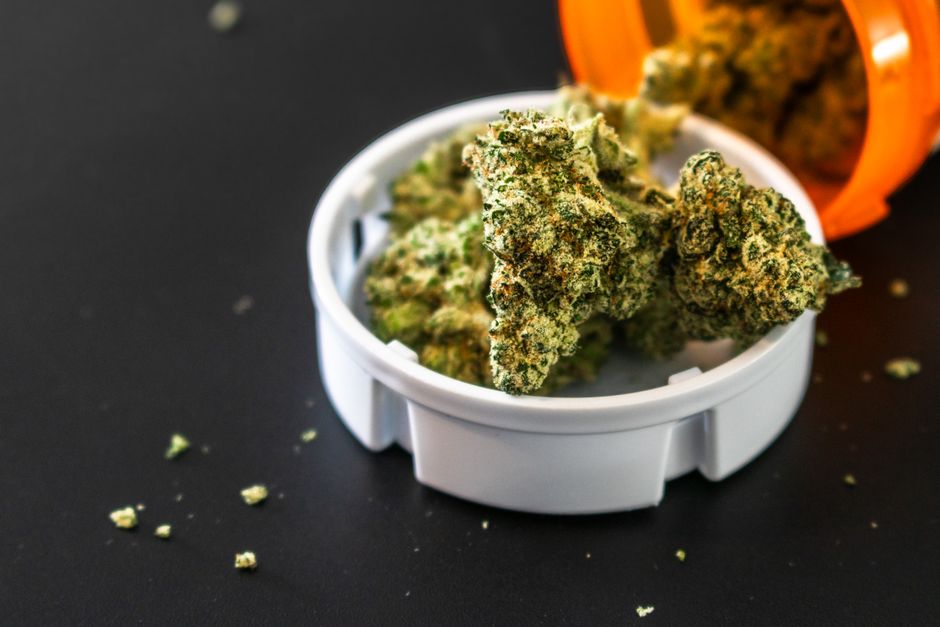
- Non-recommendation of cannabis or similar treatments: The NICE guidance library contains no current endorsement for cannabis as a treatment for core autism or its co-occurring symptoms, given the limited and conflicting evidence.
Crucially, NICE stresses the importance of separating clinical questions—which means identifying which symptoms come from co-occurring conditions and which are autism traits to guide appropriate treatment pathways.

Limits of the Evidence and Placebo Effects
One persistent challenge in this area is the limited evidence around many interventions for co-occurring conditions in autism. Many studies have small sample sizes or lack rigorous control groups. Some short breaks respite london promising reports of improvement (e.g., “seems calmer” after a particular intervention) risk being influenced by placebo effects or observer bias without proper measurement plans.
Health professionals, guided by GMC standards, must ensure that claims regarding treatment efficacy are transparent about evidence limitations. Often, outcome measures rely on parent or carer reports rather than objective physiological markers.
Example: Melatonin Use
Melatonin is sometimes prescribed off-label for sleep problems in autistic children. NICE guidance permits melatonin for specific sleep issues but advises that benefits must be monitored and adverse effects considered. Some reports of "improved sleep" may be subjective, underscoring the need for clear target symptom definitions and measurement plans.
Narrow Indications for Epilepsy and Autism
It is worth emphasizing that epilepsy is a recognized co-occurring condition in autism but not all seizures or epilepsy syndromes are the same. Clinical guidelines, including NICE, outline narrow indications for some epilepsy syndromes frequently associated with autism:
Epilepsy Syndrome Relevance to Autism Implications for Treatment Dravet Syndrome High autism comorbidity; severe epilepsy onset in infancy Requires specialist antiepileptic drugs; some novel treatments investigated Lennox-Gastaut Syndrome Severe, treatment-resistant epilepsy often with developmental delay and autistic traits Specialized pharmacological and non-pharmacological management
These nuances highlight the importance of not generalizing epilepsy management across all autistic individuals and instead focusing on precise diagnoses and treatment plans.
Practical Steps to Promote Target Symptom Clarity
Whether you are a clinician, family member, or educator, keeping these practical steps in mind can help clarify what is being addressed and avoid conflating co-occurring conditions with core autism traits:
- Write down each challenging behavior or symptom distinctly. For example, separate "struggles to maintain eye contact" from "frequent nighttime awakenings."
- Ask what the purpose of each treatment is. Is it aimed at reducing anxiety episodes, improving sleep quality, or developing social skills?
- Refer to trusted sources like the NICE guidance library. Check latest evidence-based advice on each symptom.
- Engage specialists for co-occurring conditions. Pediatric neurologists for epilepsy, sleep clinics for insomnia, or mental health specialists for anxiety conditions.
- Set measurable goals and monitoring plans. Use rating scales or sleep diaries rather than anecdotal impressions alone.
Summary
Confusing autism traits with distress from anxiety or sleep loss is common but avoidable by adopting a structured approach that separates clinical questions and clarifies target symptoms. NICE and GMC guidance emphasize evidence-based management tailored to specific symptoms rather than generalized attempts to "treat autism." Understanding narrow epilepsy indications and the limits of current evidence can further refine clinical decision-making. Remember: defining and measuring what you want to treat is the first step toward meaningful and transparent support.
Useful Resources
- NICE Guidance Library
- General Medical Council Ethical Guidance
- The National Autistic Society – Co-occurring Conditions