Can Trace THC Build Up Over Time If I Use CBD Daily?
If you've ever wondered whether consistent daily use of CBD products could cause trace THC to accumulate in your system, you're not alone. With the increasing popularity of CBD for wellness, pain management, and anxiety relief, many people are curious about how THC — even in tiny amounts — might affect them over time. This question is especially relevant if you want to avoid intoxication, drug testing issues, or legal concerns.
Understanding CBD Basics vs. THC and Intoxication
Before we dive into trace THC accumulation and drug testing, it helps to understand the fundamental differences between CBD (cannabidiol) and THC (tetrahydrocannabinol).
- CBD is a non-intoxicating compound found in cannabis plants, commonly used for potential therapeutic benefits like reducing anxiety, inflammation, or promoting relaxation.
- THC is the psychoactive compound responsible for the “high” associated with marijuana use.
Most over-the-counter CBD products derive from hemp and are legally required to contain less than 0.3% THC by dry weight, according to the 2018 Farm Bill. This tiny amount is generally considered non-intoxicating and safe for daily wellness use.
Why Does Trace THC Matter?
Full-spectrum CBD products contain a range of cannabinoids, including small traces of THC. In contrast, CBD isolates or broad-spectrum products aim to exclude THC entirely. The concern is whether repeated daily use of full-spectrum CBD can cause THC to build up in your body, potentially leading to:
- Unexpected psychoactive effects
- Failing workplace or legal drug tests
- Interactions with other medications or underlying health conditions
FDA Approval and Difference Between Seizure Disorder Treatment and OTC CBD
The U.S. Food and Drug Administration (FDA) has approved a CBD-based drug called Epidiolex specifically for treating certain seizure disorders like Lennox-Gastaut and Dravet syndromes. Epidiolex contains purified CBD at prescription-strength doses and is manufactured under strict pharmaceutical standards.
However, the majority of CBD products available over-the-counter (OTC) or online are not FDA-approved for any medical condition. These wellness products:
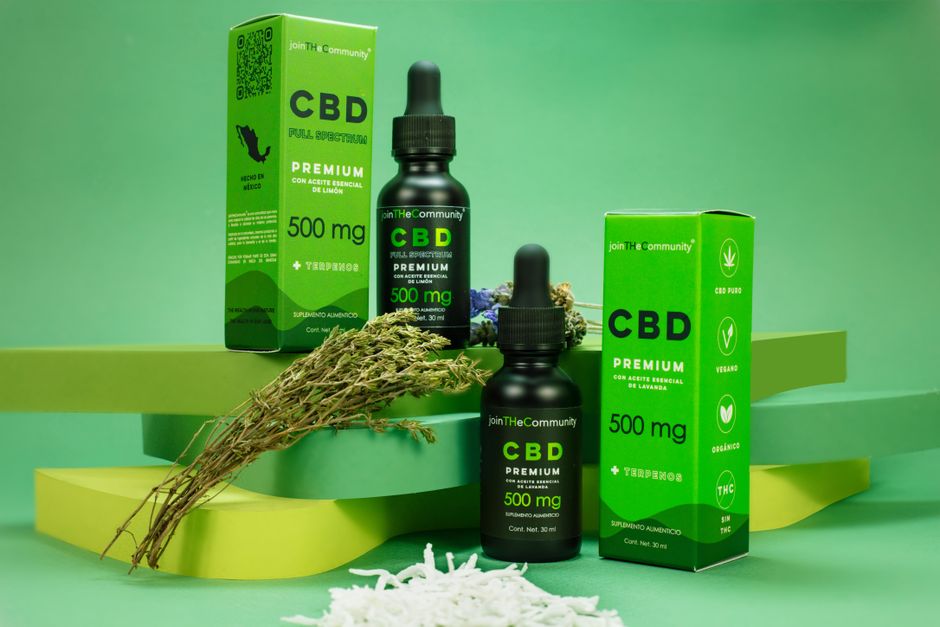
- Contain variable amounts of CBD and possibly trace THC
- Are regulated as supplements rather than pharmaceuticals
- May have inconsistent quality depending on the brand and batch
This distinction is crucial when considering your risk of trace THC build-up with Go to this site daily use. Pharmaceutical-grade CBD doses and purity are tightly controlled, while OTC products vary widely.
Legal Landscape: 2018 Farm Bill and < 0.3% THC Limit
The 2018 Farm Bill federally legalized hemp and hemp-derived products with less than 0.3% THC on a dry weight basis. This legal cap defines the maximum THC concentration allowed in most CBD products, meaning they contain “trace” amounts rather than enough THC to cause intoxication or impairment.
However, it's important to recognize:
- The “less than 0.3% THC” rule applies to the raw hemp material, not necessarily the final product's dose per serving.
- Some products marketed as “THC-free” may still contain trace amounts due to manufacturing variability unless verified by third-party testing.
- State laws and regulations might differ, with some states imposing stricter controls on THC content.
Because of this legal framework, reputable manufacturers like Joy Organics focus on creating high-quality CBD products that meet or exceed these standards.
Quality Variation: Why Certificate of Analysis (COA) Matters
One of the biggest causes of consumer confusion and risk from trace THC is the variation between different brands and batches of CBD products. This is where the certificate of analysis (COA) becomes essential.
A COA is a batch-specific laboratory report that details the exact cannabinoid profile, including how much THC is in each batch of product. It also reports on contaminants like pesticides, heavy metals, and microbial contamination.
Key Reasons to Check COAs:
- Verify THC Content: Confirm that THC levels are truly below the legal limit or hemp-exempt threshold.
- Assess Consistency: Trace THC concentrations can fluctuate between batches if a company lacks strict quality control.
- Beware of Misleading Labels: Terms like “THC-free” without batch-specific COAs are meaningless and often misleading.
Trusted brands such as Joy Organics publicly share batch-specific COAs on their websites, allowing consumers to verify what exactly they are ingesting. This practice sets them apart from many competitors who rely on vague “THC-free” claims that don’t guarantee safety or legal compliance.

Does Trace THC Accumulate With Regular Use of Full Spectrum CBD?
Now to the crux of your question: Can trace THC build up over time if you use full-spectrum CBD daily?
Scientifically, THC and its metabolites are fat-soluble, meaning they can store in fatty tissues and build up with frequent use. This does not cause intoxication at the trace levels found in hemp-derived CBD products, but it may affect drug test results.
What Research Shows
Research suggests that:
- After occasional CBD use from full-spectrum products, THC levels tend to drop below detection within a few days.
- With daily long-term use, small amounts of THC metabolites may accumulate in fat tissue, potentially leading to positive urine drug tests, especially with sensitive tests.
- This accumulation usually doesn’t cause noticeable psychoactive effects or impairment.
Factors Influencing THC Accumulation
Factor Effect on THC Accumulation Product Type (Full Spectrum vs Broad Spectrum/Isolate) Full-spectrum contains trace THC; broad-spectrum and isolates usually do not Amount of CBD Taken Daily Higher doses mean more total cannabinoids, modestly increasing trace THC intake Individual Metabolism and Body Fat Slower metabolism and higher fat content may retain cannabinoids longer Frequency and Duration of Use Longer and more frequent use increases potential for accumulationFor people concerned about trace THC buildup, choosing high-quality broad-spectrum or CBD isolate products verified with COAs is the safest route.
Drug Testing and CBD: What You Need to Know
If you hemp-derived CBD have drug screening coming up, understanding “drug test CBD” implications is vital.
- Most standard drug tests target THC metabolites, not CBD.
- Use of full-spectrum CBD products containing trace THC can cause false positives for THC.
- CBD isolate or broad-spectrum products with zero THC reduce this risk.
- Always check batch-specific COAs to confirm product THC levels before use.
- If testing for employment or legal reasons is critical, avoid full-spectrum products unless your COA confirms non-detectable THC levels.
How to Safely Use CBD Daily Without Trace THC Concerns
- Opt for Reputable Brands: Companies like Joy Organics provide batch-specific COAs and transparent labeling.
- Choose Broad Spectrum or Isolate Products: These options eliminate or minimize THC.
- Review COAs Carefully: Don’t trust vague marketing claims like “THC-free” without lab proof.
- Start with Lower Doses: Reduce total cannabinoid intake to minimize trace THC exposure.
- Consult Your Healthcare Provider: Especially if you’re on medications that could interact with cannabinoids.
Conclusion
While trace THC can technically accumulate in the body with daily use of full-spectrum CBD products, it typically does not cause intoxication. The real concern is the possibility of failing a drug test due to this accumulation. Thanks to the 2018 Farm Bill’s < 0.3% THC legal limit and quality manufacturer's efforts — such as those by Joy Organics — many CBD products are safe and reliable for daily use.
However, because quality varies so widely in the unregulated market, consumers must demand transparency: always check batch-specific certificate of analysis (COA) reports before buying and using any CBD product long term. This is the best way to avoid unexpected trace THC buildup or legal issues.
Stay informed, choose wisely, and enjoy the wellness benefits of CBD without surprises.