Can CBD interact with my regular medication?
Yes. CBD can interact with some medicines, so it is worth checking before you try it—even if it is sold as a supplement and even if you take your medication at a different time of day. The effect depends on the medicine, the CBD product and amount, your health, and other substances you use. A pharmacist consultation is a sensible first step: take your medication list and the exact CBD product details, rather than relying on a general online interaction checker.
If you are looking into CBD drug interactions because you want help winding down after work, there may be another useful question alongside “Is CBD suitable for me?”: what job is this habit doing? If a drink or supplement marks the end of the working day, offers comfort, or gives you permission to rest, you may be able to design a safer ritual around that need—whether or not CBD is right for you.
How might CBD interact with medication?
CBD (cannabidiol) is a compound found in cannabis plants. It is not the same as THC, the compound chiefly associated with feeling “high”, but products can vary in their ingredients and may contain other cannabinoids. CBD can affect enzymes and transport proteins involved in how the body processes some medicines. As a result, a medicine may stay in your body longer, or its level or effect may change. The reverse can also happen: a medicine may affect how CBD is processed.
That does not mean CBD will interact with every medicine, or that every interaction will cause harm. It does mean that “natural”, “low dose” and “taken at bedtime” are not guarantees of safety. Interaction evidence varies by product and dose, and many over-the-counter CBD products have not been studied in combination with every medicine people take.

Medicines to discuss with a pharmacist or prescriber
Some interactions are better documented than others. CBD has been associated with changes in the effects or levels of certain anti-seizure medicines, blood thinners and sedating medicines. It may also be relevant to medicines processed by the liver. This list is not complete, and your individual circumstances matter.
Type of medicine Why to check What to do Anti-seizure medicines, including clobazam CBD can change medicine levels or side effects in some people. Speak to your specialist or pharmacist before using CBD. Do not change your dose yourself. Blood thinners, such as warfarin Changes in how the medicine is processed could affect bleeding risk or monitoring needs. Ask your anticoagulation team or pharmacist before starting, stopping or changing CBD. Medicines that cause drowsiness Effects such as sleepiness or impaired coordination may add up. Ask about driving, alcohol and other sedatives as well as the CBD itself. Medicines with a narrow therapeutic range, or medicines affected by liver enzymes Small changes in medicine levels can matter for some treatments. Have a pharmacist check your full medication list and relevant health conditions.This is a prompt for a conversation, not a diagnosis tool. Do not stop or reduce prescribed medication to make room for CBD. If you notice new or worsening symptoms after using a product, stop and seek advice. Get urgent medical help for severe symptoms such as difficulty breathing, collapse, or a serious allergic reaction.
How to ask a pharmacist about CBD
A pharmacist consultation can help you assess the particular product and your own medication list. In the UK, you can speak to a community pharmacist; for complex conditions or specialist medicines, your GP or prescribing team may also need to be involved. You can say plainly, “I’m considering CBD and want a supplement safety check. Could you check it against my medicines?”
Before the conversation, gather:
- The names and doses of your prescribed medicines, plus any medicines you buy over the counter.
- Details of vitamins, herbal products and other supplements you use.
- The CBD product’s full name, ingredients, strength and suggested serving size.
- How often you plan to take it and what you hope it will help with.
- Relevant health information, such as liver problems, pregnancy or breastfeeding, and past reactions to medicines.
Ask whether the proposed product could affect your medication, whether monitoring is needed, and what signs of a problem to watch for. Check what to do if you have already taken CBD. Be honest about alcohol or other substances too: this helps the pharmacist give useful advice without judgement.
Product labels and QR code lab reports
Product quality is another part of a supplement safety check. Labels may use terms such as “full spectrum”, “broad spectrum” or “CBD isolate”. These terms describe different formulations, but they do not prove that a product is suitable for you or free from interaction risks. Check the actual ingredient list, strength per serving, recommended use, and any warnings. Avoid assuming that a larger dose is more effective or safer.
Some companies, including Joy Organics, provide access to third-party testing information for certain products. A QR code lab report may make it easier to view a product’s certificate of analysis. If you use one, check that the report matches the exact product and batch, and look for the date and what was tested. A report can provide information about measured contents or contaminants; it cannot tell you whether CBD will interact with your medicine, prove that a product treats a condition, or replace advice from a pharmacist.
Company information is not independent medical advice. Product ranges and testing practices can change, so check current details directly and discuss the exact product with a health professional. If you cannot find clear ingredient and strength information, that is a good reason to pause.
CBD, alcohol and the after-work transition
If CBD is appealing because you want to replace an after-work drink, it helps to separate the substance from the ritual. A drink might thecoachspace.com signal “work is finished”, create a pause, offer a flavour you enjoy, or make rest feel permitted. A replacement is more likely to stick when it does some of the same job—not when it is simply another item on a to-do list.
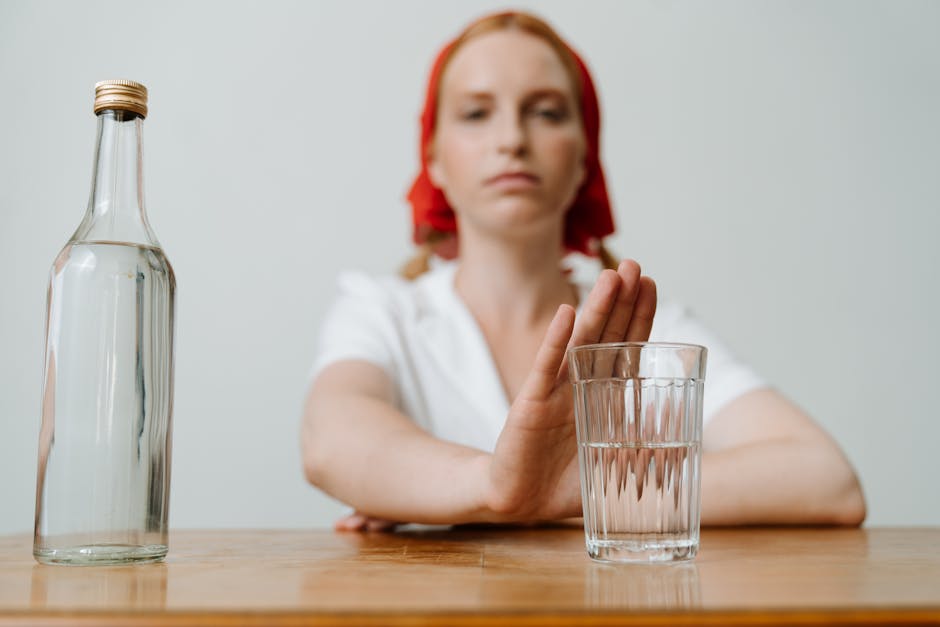
CBD is not an established alcohol treatment, and it should not be assumed to reduce alcohol-related harm or make drinking safer. Combining CBD with alcohol may increase drowsiness or impairment for some people. Until a pharmacist or prescriber has checked your situation, do not use CBD as an add-on to alcohol or sedating medicines. If you drink heavily or find it difficult to cut down, speak to your GP or a UK alcohol support service for tailored help.
Design a transition with a tiny first step
At The Coach Space, a useful habit-coaching question is not “How do I force myself to relax?” but “What job is this habit doing, and what small ritual could do that job with fewer downsides?” Try a simple sequence that takes five to ten minutes:
- Mark the finish: close your laptop, write tomorrow’s first task on a note, or change out of work clothes.
- Change the sensory scene: switch on a lamp, open a window, put on one song, or move to another room.
- Choose a satisfying drink: pour sparkling water, a botanical soft drink or tea into a proper glass or favourite mug. The glass, temperature and aroma can become a clear cue that the working day has ended.
- Give rest permission: sit down for five minutes before deciding what comes next. Rest is not a reward you have to earn by finishing every task.
Keep the first step easy enough to do on a tired evening. Put the glass where you will see it, chill the drink in advance, or leave the note beside your laptop. These small environmental cues reduce the amount of decision-making needed. If the ritual does not help, adjust it; you are designing a routine, not passing a test.
When to be especially cautious
Speak to a health professional before using CBD if you take prescription medication, have a long-term condition or are under specialist care. It is especially important to get individual advice if you are pregnant or breastfeeding, have liver problems, take medicines where precise levels matter, or are considering CBD for a child. A pharmacist can advise whether you need to involve the prescriber who manages your treatment.
Do not rely on CBD to replace prescribed treatment or delay medical care. CBD products sold as supplements should not be treated as proven remedies for a medical condition. If you are already taking CBD regularly, tell your doctor or pharmacist, including the brand, product, amount and how often you use it. That information helps them review your care accurately.
A practical decision for tonight
You do not have to make a rushed yes-or-no decision. If you are curious about CBD, save the product details and arrange a pharmacist consultation before starting. If the immediate need is to switch off after work, try the transition ritual tonight without adding a new supplement: close the laptop, change the lighting, pour an alcohol-free drink into a proper glass, and give yourself a few minutes of uncomplicated rest.
That small experiment can show you what you were hoping CBD might provide. Then you can ask a pharmacist about CBD with a clearer goal and a full medication list. A thoughtful check is not over-caution; it is a practical way to protect your health while finding an evening routine that works for you.